Herb Library
Evidence-based botanical monographs for clinical practice.
Showing 50 herbs
Primary Actions
Indications
CAUTION: Pregnancy, Heavy menstrual bleeding (menorrhagia), Spleen Qi Deficiency / weak digestion, Anticoagulant therapy
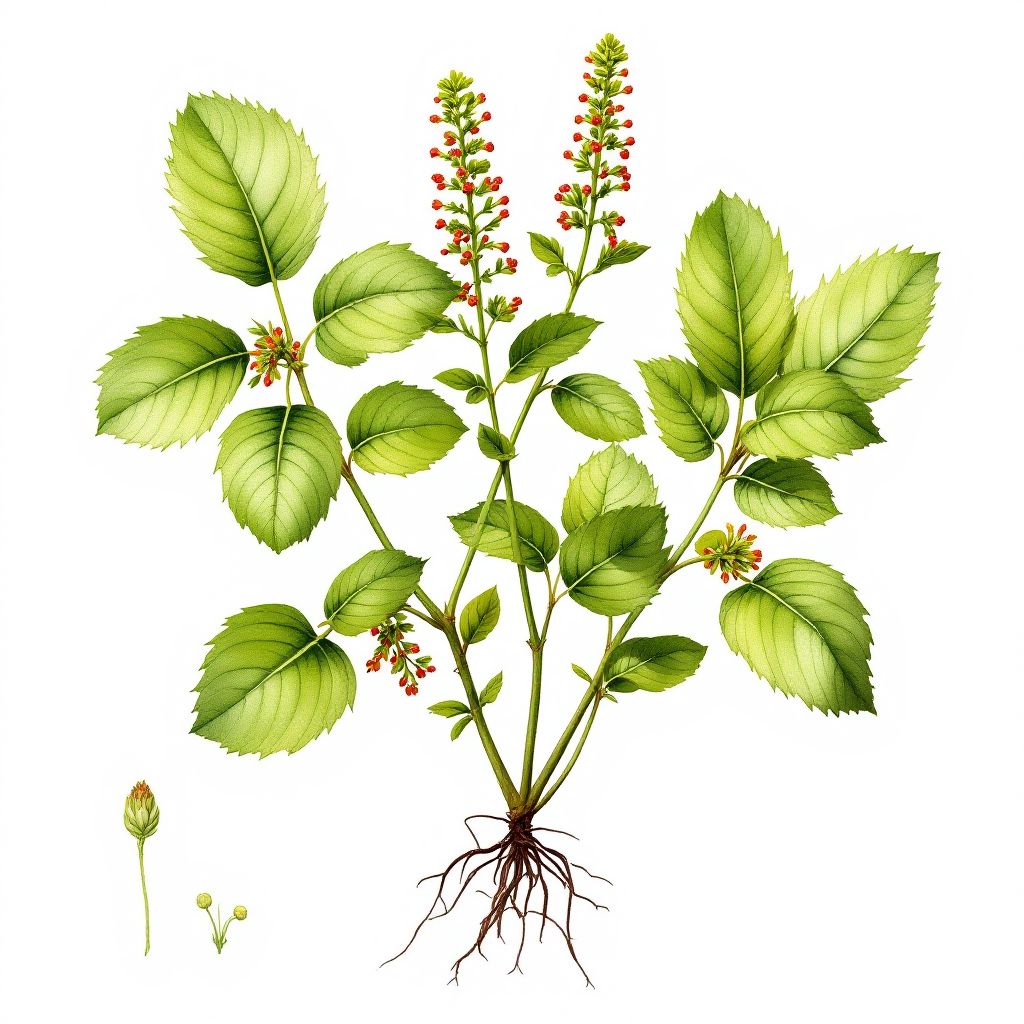
Achyranthes bidentata (Niu Xi or 'Ox Knee') is a fundamental TCM herb whose roots tonify the Liver and Kidneys, invigorate Blood, and direct Blood and Fire downward. It is widely used for low back and knee pain, dysmenorrhea, blood stasis from trauma, hypertensive headache from ascending Liver Yang, and as a 'guiding herb' to direct other herbs to the lower body. Modern research confirms anti-inflammatory, immunomodulatory, anticoagulant, and bone-protective effects. Strictly contraindicated in pregnancy.
Primary Actions
Indications
CAUTION: Immunosuppressive therapy (calcineurin inhibitors, corticosteroids, post-transplant), Autoimmune disease (active SLE, rheumatoid arthritis flare, MS relapse), Liver disease or hepatotoxicity risk (high-dose, prolonged use), Heavy metal contamination (wild-harvested specimens)
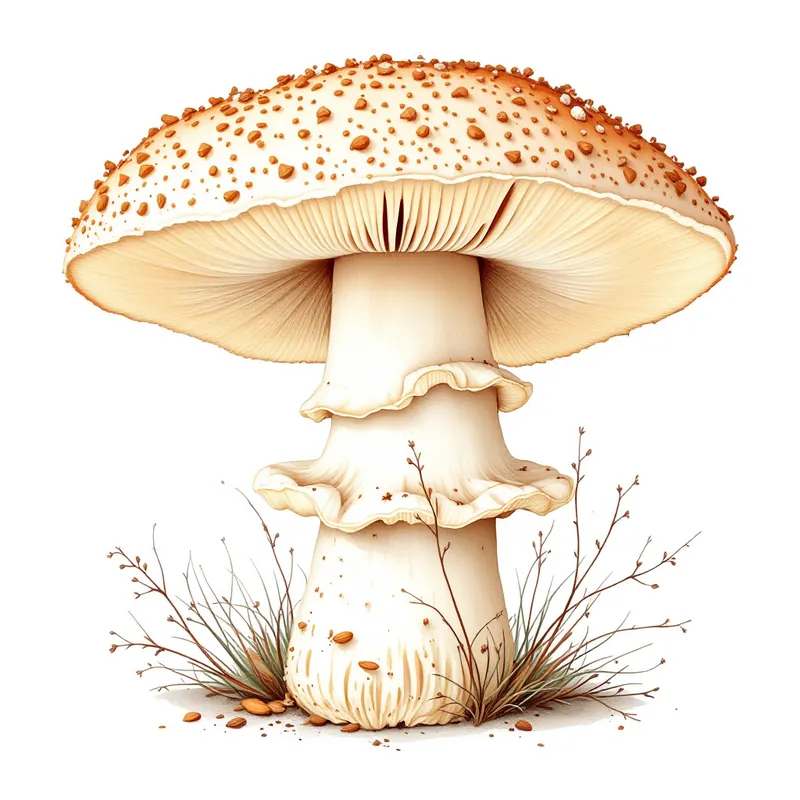
Agaricus subrufescens (Royal Sun Agaricus / ABM) is a Brazilian medicinal mushroom containing exceptionally high concentrations of immunostimulatory β-(1→3)(1→6)-glucans and proteoglucans that function as biological response modifiers, activating NK cells, macrophages, and dendritic cells. Clinical studies demonstrate improved NK cell activity and quality of life in gynecological cancer patients undergoing chemotherapy, and reduction of serum γ-GTP in chronic hepatitis C patients. While preclinical evidence for anti-tumor activity is robust, human RCT evidence remains limited; the mushroom is best positioned as an adjunctive immunomodulator rather than a primary treatment. Safety concerns center on agaritine genotoxicity (largely inactivated by heat processing) and rare hepatotoxic case reports, warranting periodic liver function monitoring with extended use.
Primary Actions
Indications
CAUTION: Anticoagulant / antiplatelet therapy, Immunosuppressant therapy
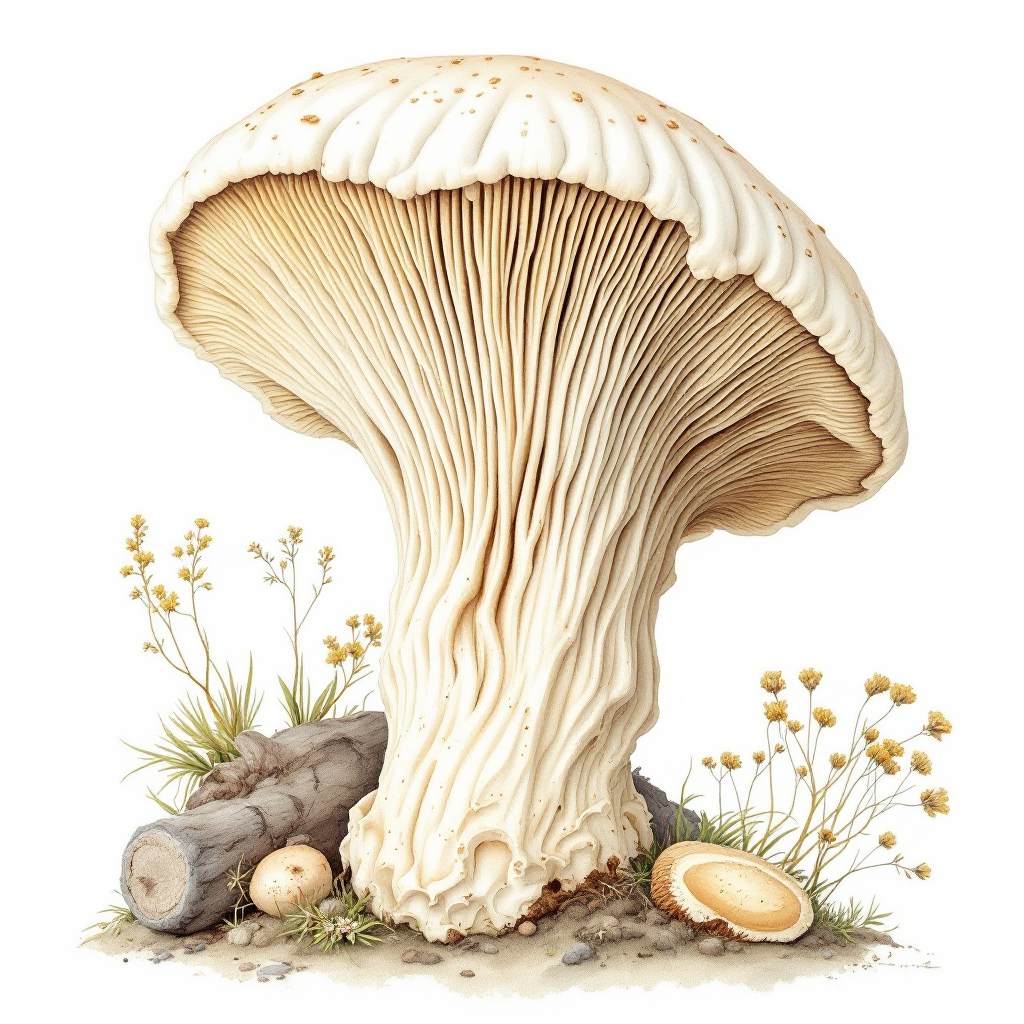
Laricifomes officinalis (Agarikon) is arguably the most historically significant medicinal polypore in Western ethnomycology, described by Dioscorides in 65 CE as the elixir of long life and used continuously for 2,000+ years against tuberculosis and respiratory diseases. Preclinical antiviral activity has been demonstrated against orthopoxviruses, HSV-1/2, Influenza A/B, and Mycobacterium tuberculosis in vitro; chlorinated coumarins (mycelium) confer anti-TB antibacterial activity while lanostane triterpenes (basidiome) show trypanocidal activity. No human clinical trials are available; the species is considered endangered in Pacific Northwest old-growth forests and should not be wild-harvested.
Primary Actions
Indications
CAUTION: Pregnancy, Constipation
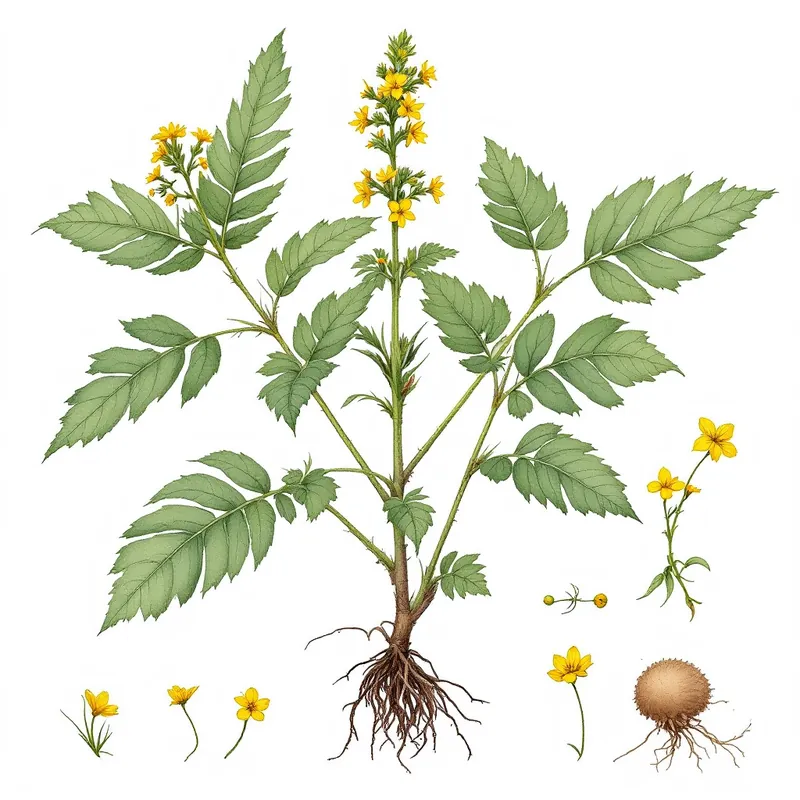
Agrimony (Agrimonia eupatoria) is a classic European hepatic and digestive astringent whose tannin-rich profile — particularly the ellagitannin agrimoniin — and flavonoids confer anti-inflammatory, antiviral, hepatoprotective, and wound-healing properties. The EMA recognises its traditional use for mild diarrhoea, oral inflammation, and skin wound healing. A double-blind RCT supports its hepatoprotective use in mild ALT elevation, and antiviral activity against hepatitis B has been demonstrated in vitro.
Primary Actions
Indications
CAUTION: CNS depressants and sedative medications (benzodiazepines, barbiturates, zolpidem, opioids, antihistamines), Pregnancy, Antidepressant medications (SSRIs, MAOIs, SNRIs, TCAs)
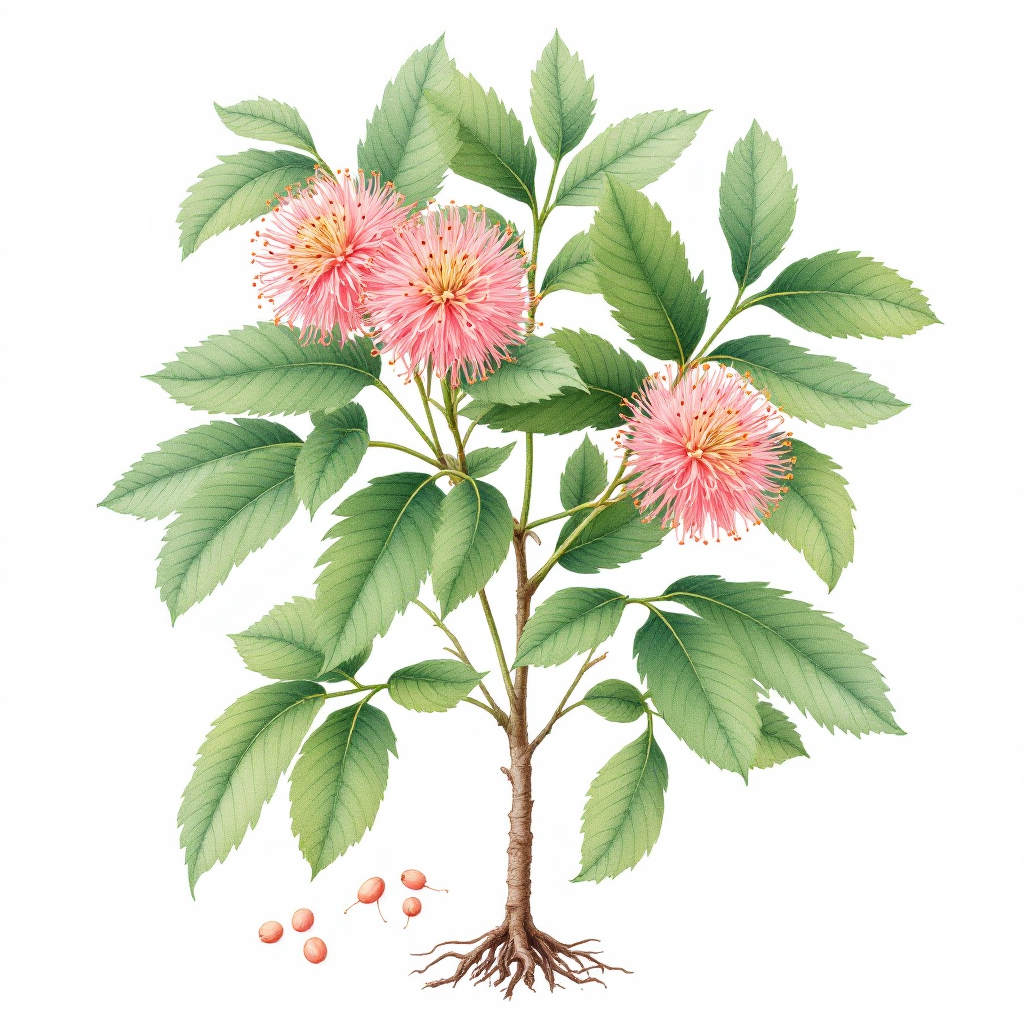
Albizia (Albizia julibrissin) is a flowering tree native to Asia whose bark (He Huan Pi) and flowers (He Huan Hua) are among the most valued TCM herbs for emotional wellbeing, anxiety, depression, and insomnia. First recorded in the Shennong Bencao Jing ca. 200 BCE, its primary mechanisms of action include modulation of serotonergic (5-HT1A) and GABAergic pathways, anti-inflammatory activity, and blood circulation promotion. Active constituents include triterpenoid saponins (julibrosides), flavonoid glycosides with sedative activity, and an anxiolytic lignan (syringaresnol glucoside, SAG) that has demonstrated anxiolytic effects comparable to diazepam in preclinical studies. While clinical human trials are limited, extensive animal pharmacological evidence and centuries of empirical use support its application for stress-related emotional disturbances. It is generally considered mild and well-tolerated; avoid in pregnancy and with CNS depressants.
Primary Actions
Indications
CAUTION: Kidney Yin or Essence Deficiency with spermatorrhea (TCM), Long-term high-dose use (hepatotoxicity/nephrotoxicity risk), Fresh/raw root use (oral), Concurrent diuretic or potassium-depleting medication
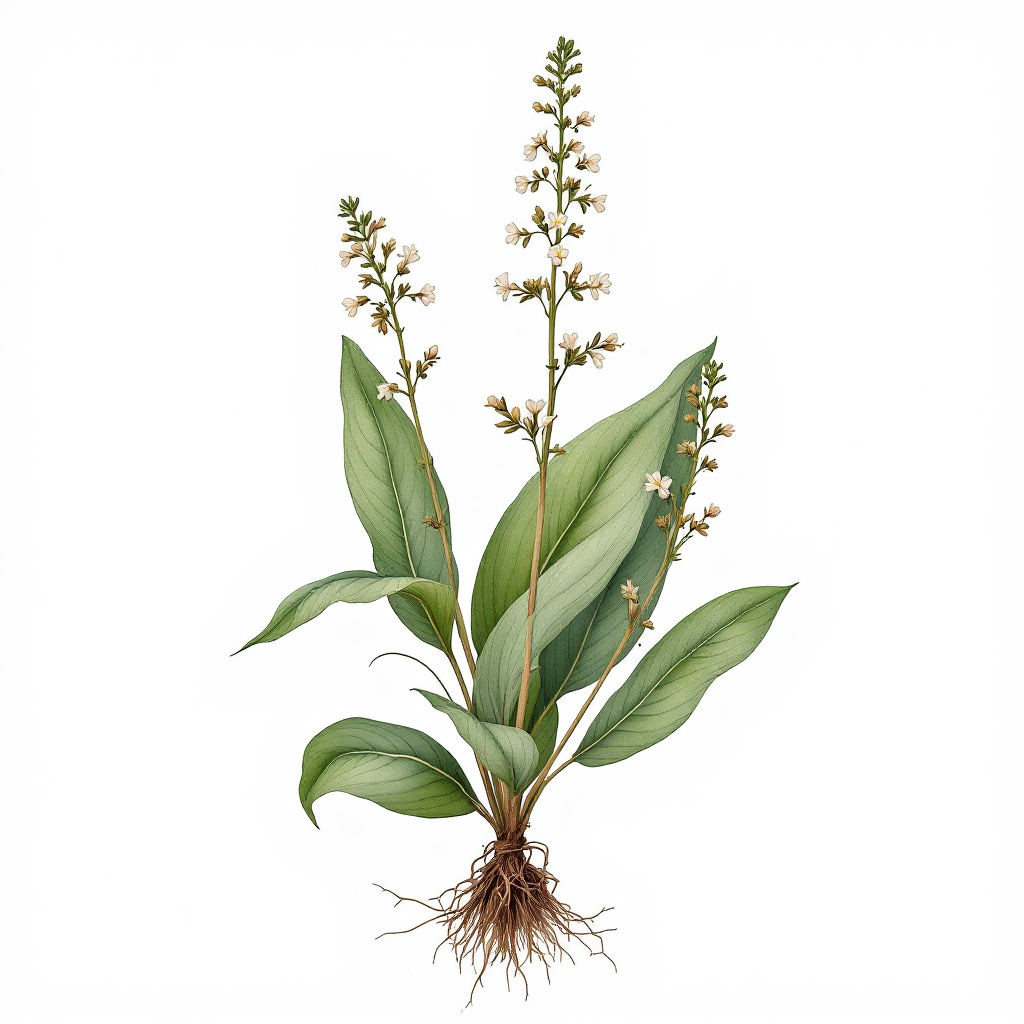
Alisma (Alisma plantago-aquatica, Ze Xie) is a key diuretic herb in TCM, used for over two millennia to drain Dampness and promote urination in edema, dysuria, and hyperlipidemia. Its protostane triterpenoids (alisol A/B and their acetates) confer diuretic, hypolipidemic, and hypoglycemic activity. Human clinical trials support its use in cholesterol reduction and vertigo; concurrent use with diuretics or long-term high-dose use may risk electrolyte imbalance and nephrotoxicity.
Primary Actions
Indications
CAUTION: Aloe latex (anthraquinone fraction) internal use, Pregnancy (oral aloe latex), Concurrent hypoglycemic medications
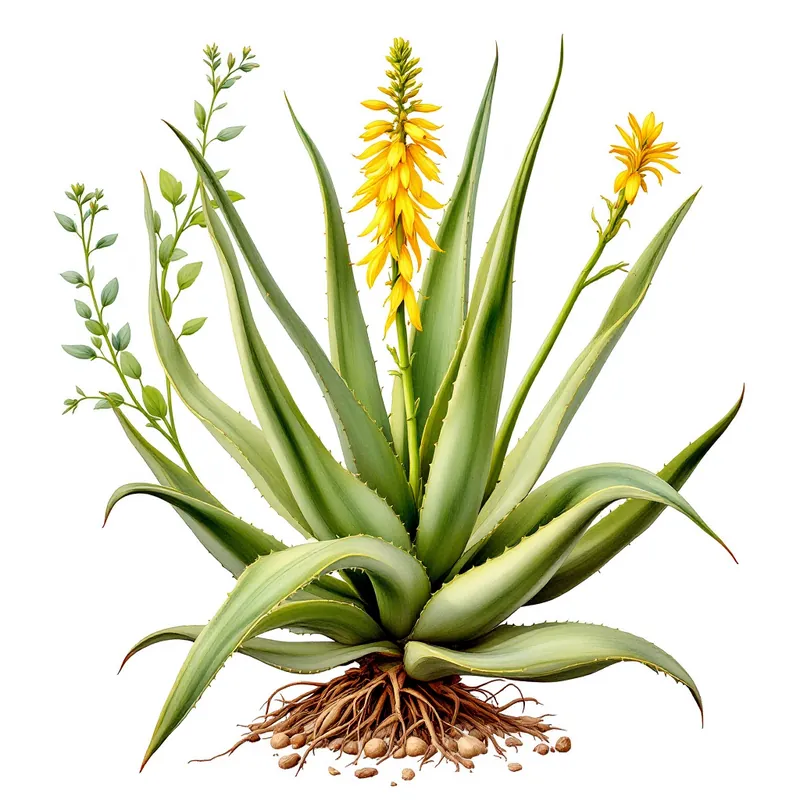
Aloe barbadensis (Aloe vera) is one of humanity most ancient and widely used medicinal plants, with over 4,000 years of documented use. Its inner leaf gel contains acemannan, bradykinase, salicylic acid, and polysaccharides that collectively promote wound healing, modulate inflammation, support skin barrier function, and provide immunomodulatory effects — with strong RCT evidence for second-degree burns, radiation proctitis, and gingivitis. Critically, the medicinal distinction between the INNER GEL (safe, beneficial) and the LATEX/OUTER LEAF (containing toxic anthraquinones aloin/aloe-emodin) is essential: the latex is FDA-banned as a laxative and contraindicated in pregnancy, lactation, and kidney disease.
Primary Actions
Indications
CAUTION: Warfarin and anticoagulant therapy, Diabetes medications (insulin, oral hypoglycaemics), Hormone-sensitive conditions (oestrogen-dependent conditions), MAO inhibitors (phenelzine, tranylcypromine)
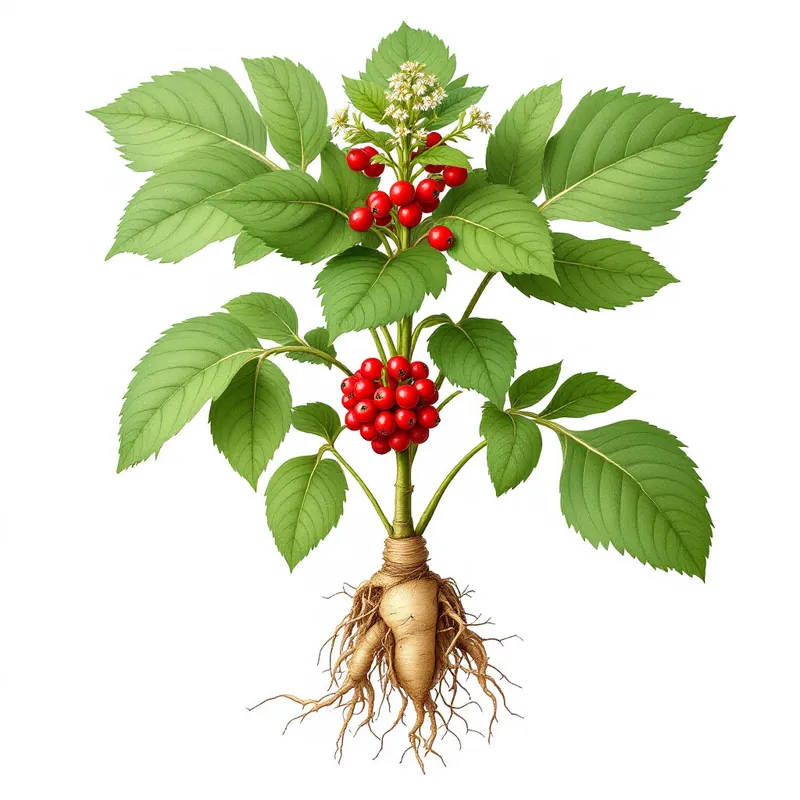
American Ginseng (Panax quinquefolius) is an important adaptogenic herb native to North America and widely used in both Western integrative medicine and Traditional Chinese Medicine (as Xi Yang Shen). Its ginsenoside profile (relatively higher in Rb1, with a cooling nature) differentiates it from Asian ginseng, making it appropriate for Qi and Yin deficiency with heat signs. Clinical evidence supports use for cancer-related fatigue, upper respiratory infection prevention, and blood glucose modulation in Type 2 diabetes. A well-designed RCT demonstrated that American ginseng significantly reduced peak INR when co-administered with warfarin — a clinically important interaction requiring close monitoring. It is generally well tolerated at 1-2 g/day for up to 3 months but should be avoided in pregnancy and used with care in patients on antidiabetic medications.
Primary Actions
Indications
CAUTION: Pregnancy
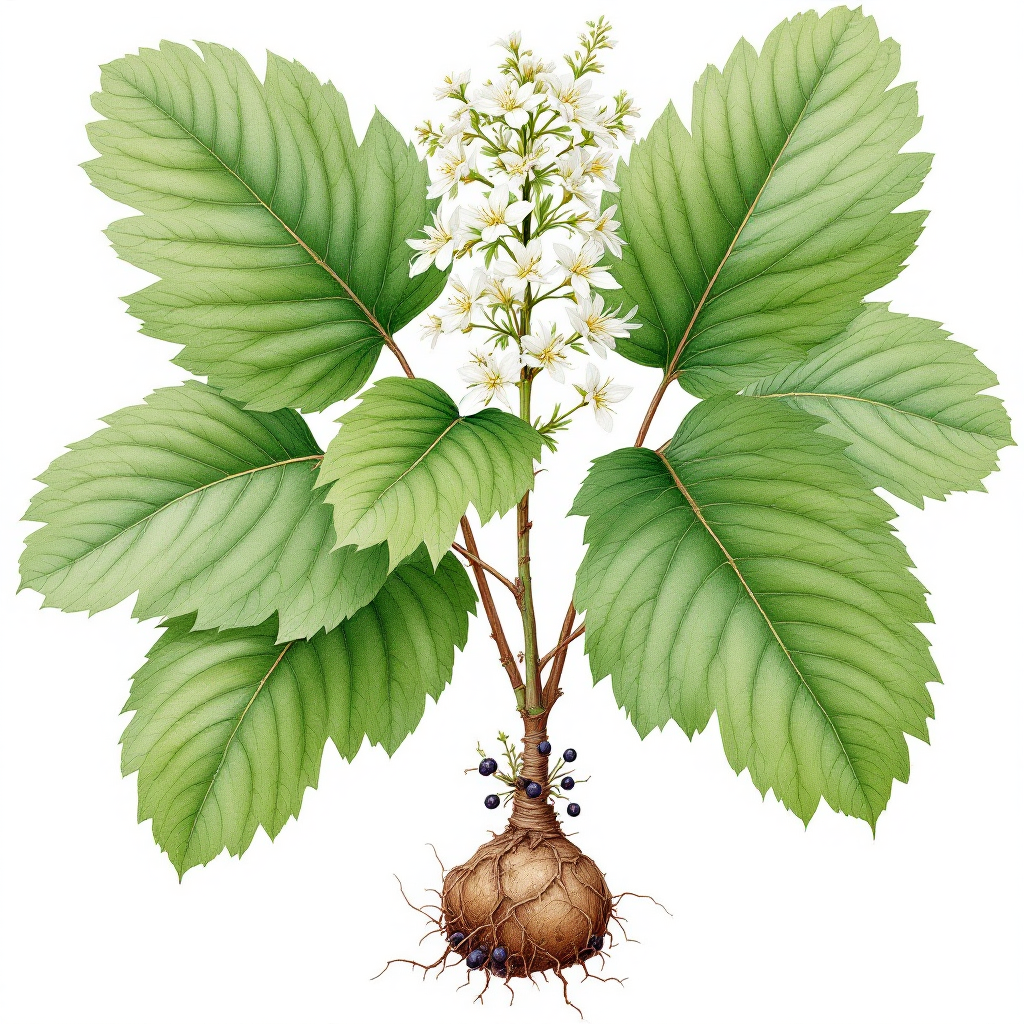
American Spikenard (Aralia racemosa) is a North American member of the Araliaceae (ginseng family) traditionally used by Indigenous peoples and Eclectic physicians as a respiratory expectorant, gentle adaptogen, and tonic for convalescence. It is especially indicated for deep, dry coughs and chronic respiratory debility with fatigue. Its saponin-rich root is reminiscent of its genus relatives ginseng and eleuthero, supporting its use as a mild tonic and restorative.
Primary Actions
Indications
CAUTION: Anticoagulant / antiplatelet therapy, Diabetes medications, Long-term high-dose use
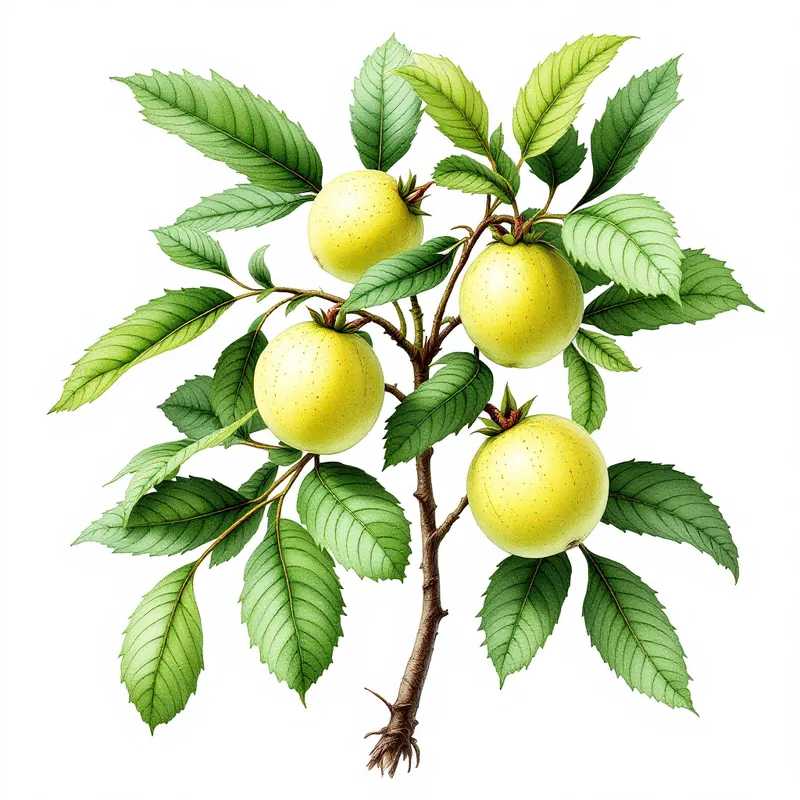
Phyllanthus emblica (Amla) is arguably the most important herb in Ayurvedic medicine, treasured as a supreme Rasayana (rejuvenative) for over 2,600 years. It possesses one of the highest natural concentrations of vitamin C and a rich spectrum of hydrolyzable tannins (emblicanins), conferring potent antioxidant, hepatoprotective, hypolipidemic, and hypoglycemic effects confirmed in human RCTs. It is the cornerstone fruit of Triphala and one of the most clinically relevant adaptogens for metabolic syndrome, cardiovascular risk reduction, liver protection, and healthy aging.
Primary Actions
Indications
CAUTION: Pregnancy, Anticoagulant or antiplatelet therapy, Antihypertensive medications, Autoimmune diseases and immunosuppressive therapy, Allergy to plants in the Acanthaceae family
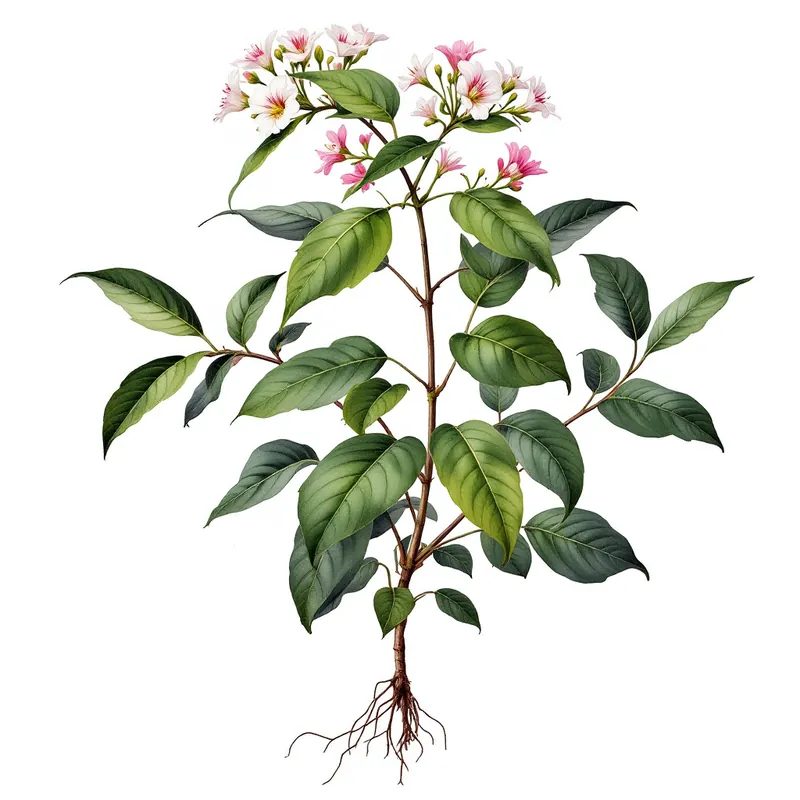
Andrographis paniculata (King of Bitters) is a widely researched bitter herb from Southeast Asia and India with potent immunostimulant, antiviral, and anti-inflammatory properties driven primarily by its major constituent andrographolide. Multiple systematic reviews and RCTs support its use for upper respiratory tract infections, with evidence suggesting it significantly reduces symptom duration and severity. It is contraindicated in pregnancy due to preclinical antifertility data, and practitioners should be vigilant for potential interactions with anticoagulants and antihypertensives.
Primary Actions
Indications
CAUTION: Spleen Yang deficiency / Cold in the Middle Jiao, Pregnancy, Chronic diarrhea, Concurrent anticoagulant or antiplatelet therapy, Hypoglycemia / concurrent antidiabetic drugs
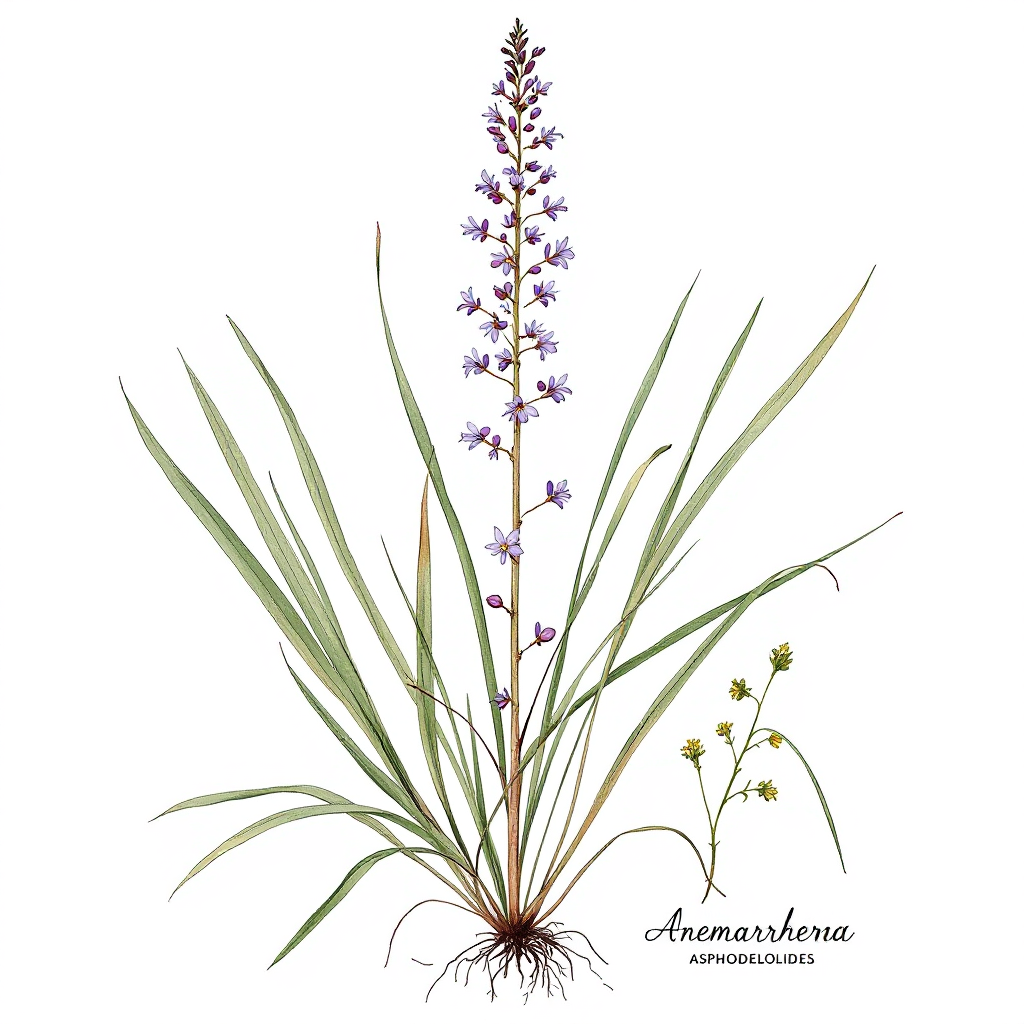
Zhi Mu (Anemarrhena asphodeloides) is a cornerstone Chinese yin-nourishing and heat-clearing herb, classified in the 'clears heat and purges fire' category. Its rhizome contains steroidal saponins (timosaponins, sarsasapogenin) and the xanthone mangiferin, with documented antipyretic, antidiabetic, anti-inflammatory, neuroprotective, and anti-osteoporotic activity. Best known for treating yang-ming high fever (in Bai Hu Tang) and menopausal yin-deficient heat (in Zhi Bai Di Huang Wan); contraindicated in cold-deficient digestive patterns.
Primary Actions
Indications
CAUTION: Anticoagulant or antiplatelet medications (warfarin, aspirin, clopidogrel, heparin), Pregnancy, Cardiac medications (digoxin, beta-blockers, calcium channel blockers), Antidiabetic medications, High-dose or long-term use without monitoring (hepatotoxicity/hypothyroidism risk)
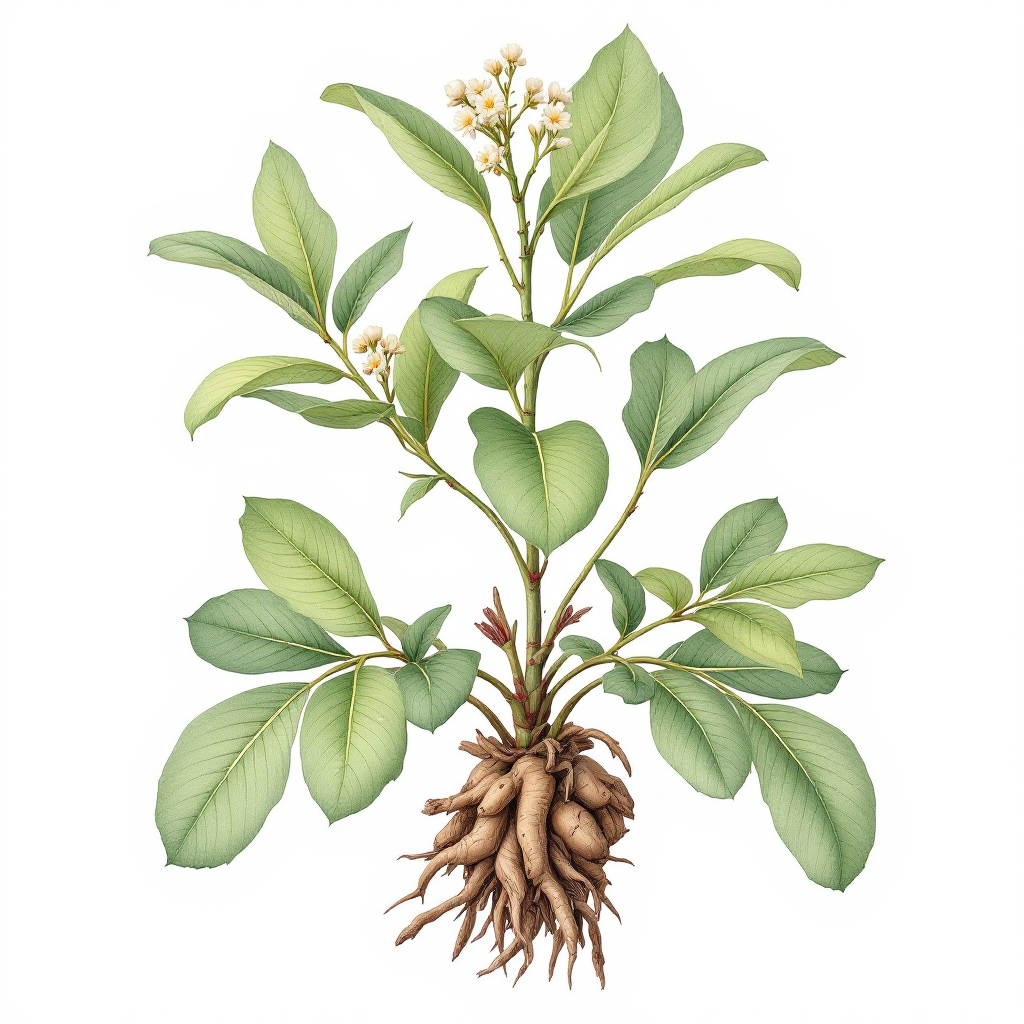
Arjuna (Terminalia arjuna) is a large deciduous tree native to the Indian subcontinent whose bark has been used in Ayurvedic medicine for over 3,000 years as a cardiac tonic. Its triterpenoid saponins (arjunolic acid), flavonoids (luteolin), and oligomeric proanthocyanidins exert positive inotropic, antihypertensive, hypolipidemic, anti-ischemic, and antioxidant effects. Clinical studies demonstrate improvement in left ventricular ejection fraction and functional class in heart failure, reduction in anginal frequency in stable angina, and antihypertensive effects. A 2014 systematic review of 6 studies (390 patients) found benefit for stable angina though evidence quality was limited. At standard doses (500 mg TID for up to 3 months), T. arjuna is well-tolerated with only mild GI side effects reported; it should be used under medical supervision given its significant cardiac activity.
Primary Actions
Indications
CAUTION: Internal (oral) use — undiluted / non-homeopathic, Application to broken skin or open wounds, Asteraceae allergy, Pregnancy
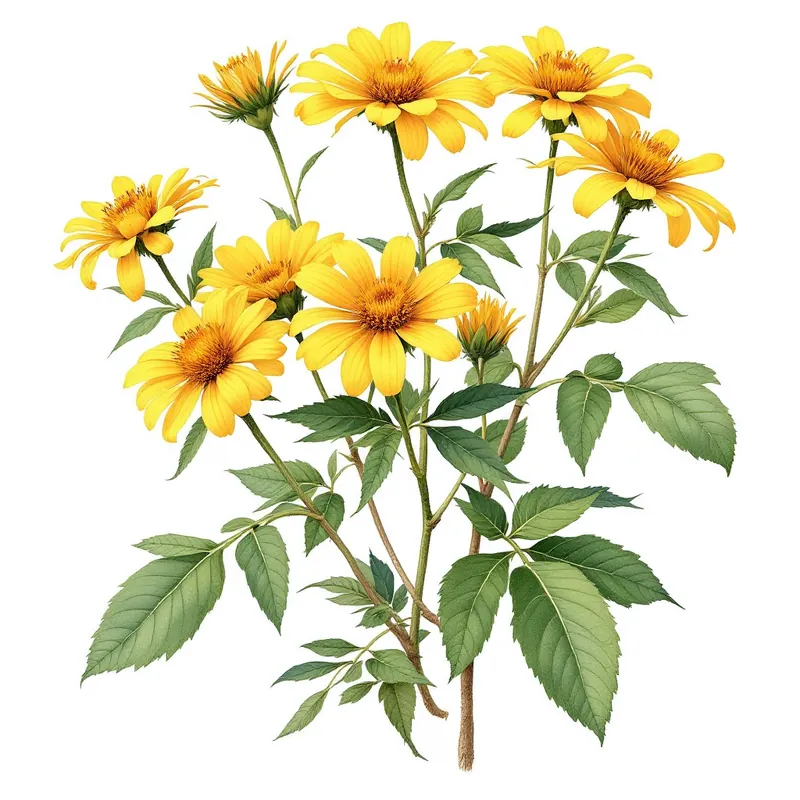
Arnica montana is a European alpine daisy-family perennial whose flowers provide one of the most widely used topical anti-inflammatory and analgesic herbal preparations in the world. Its active sesquiterpene lactones (helenalin, dihydrohelenalin) inhibit NF-κB, reduce prostaglandin synthesis, and inhibit platelet aggregation — mechanisms supporting clinical evidence that topical arnica gel (≥50% concentration) is as effective as 5% ibuprofen gel for hand osteoarthritis. However, arnica is strictly for external use on intact skin only: internal use of undiluted preparations is FDA-classified as unsafe, the herb is contraindicated in pregnancy and lactation, and should never be applied to broken skin or taken by mouth in non-homeopathic doses.
Primary Actions
Indications
CAUTION: Immunosuppressant therapy (transplant recipients, autoimmune), Anticoagulant/antiplatelet therapy
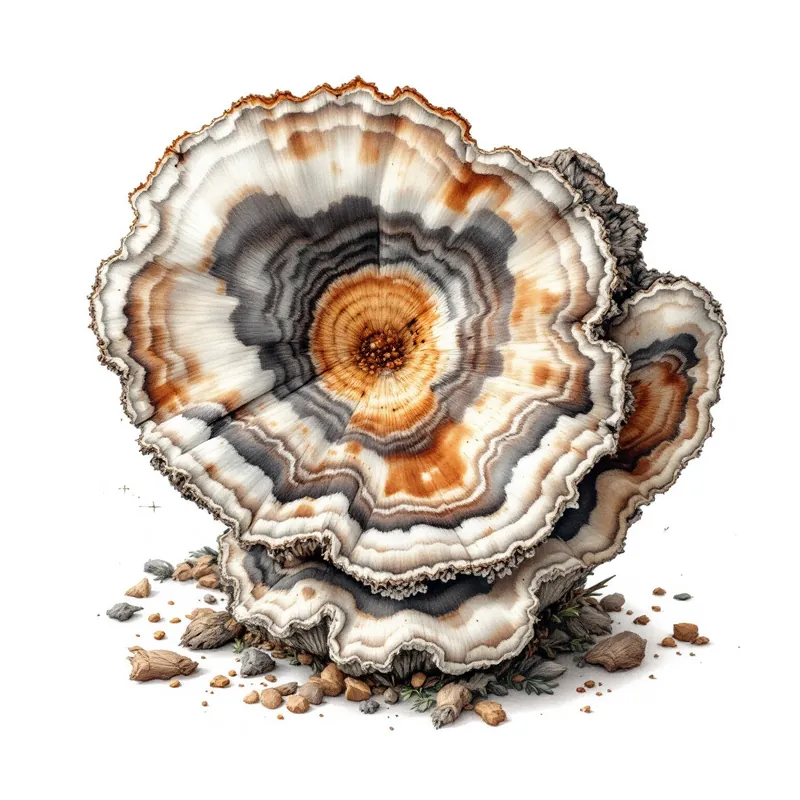
Ganoderma applanatum (Artist's Conk) is a cosmopolitan perennial polypore with a distinct secondary metabolite profile dominated by applanoxidic acids and applanatumols — compounds not found in G. lucidum. Preclinical studies demonstrate anti-inflammatory, antitumor, antioxidant, and immunomodulatory activities comparable to other medicinal Ganoderma species, with unique hypouricaemic potential via DHAP. While no human clinical trials exist, its long TCM history as Shu She Ling Zhi and emerging pharmacological evidence support it as a valuable complementary species to G. lucidum.
Primary Actions
Indications
CAUTION: Children (especially infants), Pregnancy, Bleeding disorders / anticoagulant therapy, Hypotension / antihypertensive therapy, Glucose-6-phosphate dehydrogenase (G6PD) deficiency
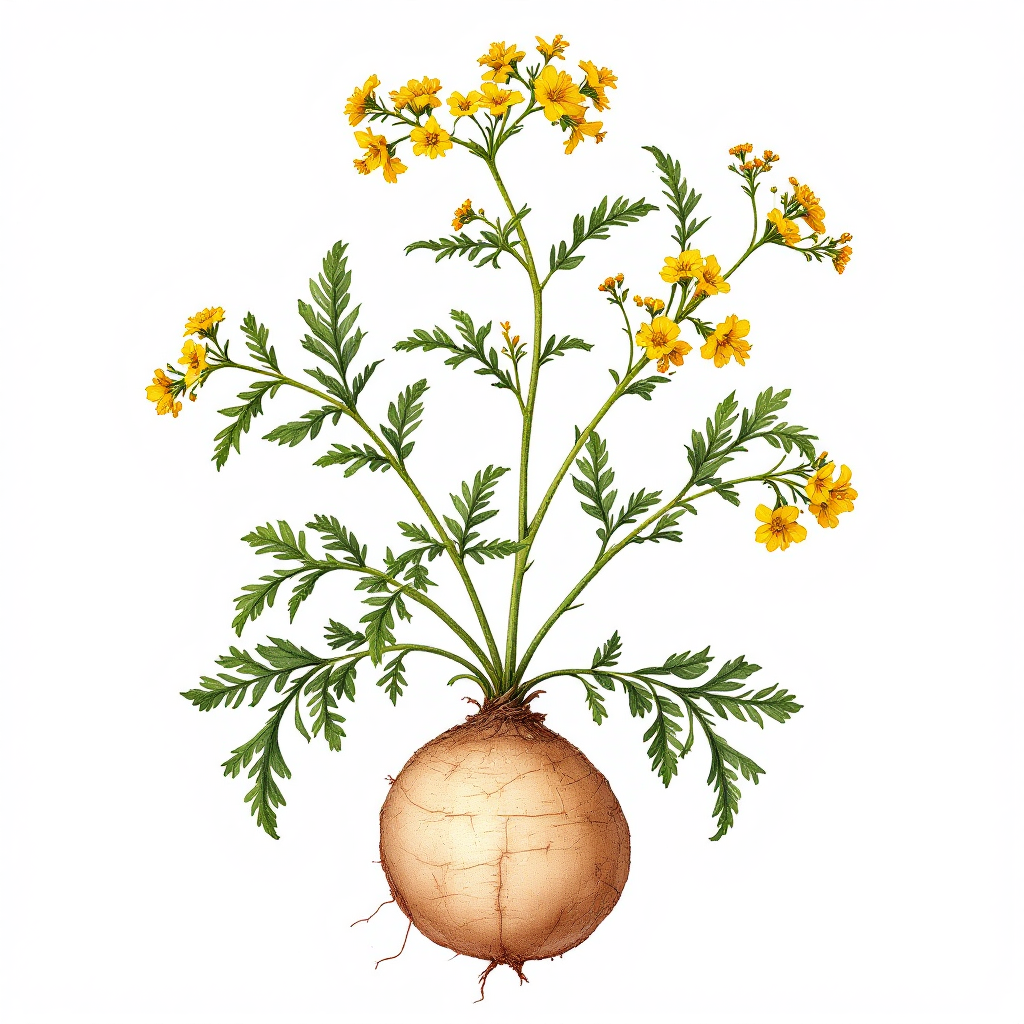
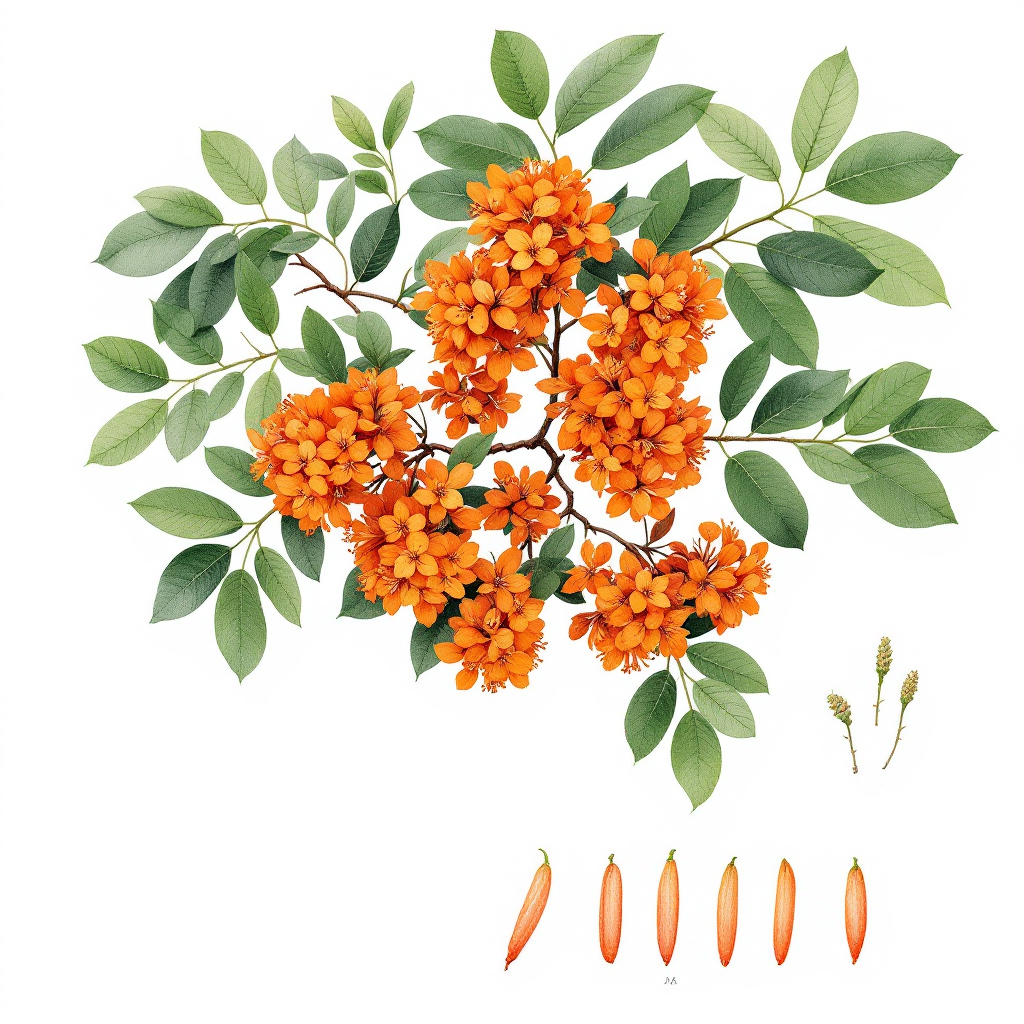
Asafoetida (Ferula assa-foetida), known as hing in Ayurveda and A Wei in TCM, is the dried oleo-gum-resin from the roots of an Iranian/Afghan giant fennel. Despite its notoriously fetid sulfur odor it is a foundational digestive remedy for IBS, flatulence, and dyspepsia, with documented antispasmodic, carminative, antiviral (H1N1), and hypotensive activity. Contraindicated in infants (methemoglobinemia risk) and pregnancy (anti-implantation in animals).
Primary Actions
Indications
CAUTION: Pregnancy, Hormone-sensitive cancers (estrogen receptor-positive breast cancer, endometrial cancer), Constipation, Hypotension / concurrent antihypertensive therapy
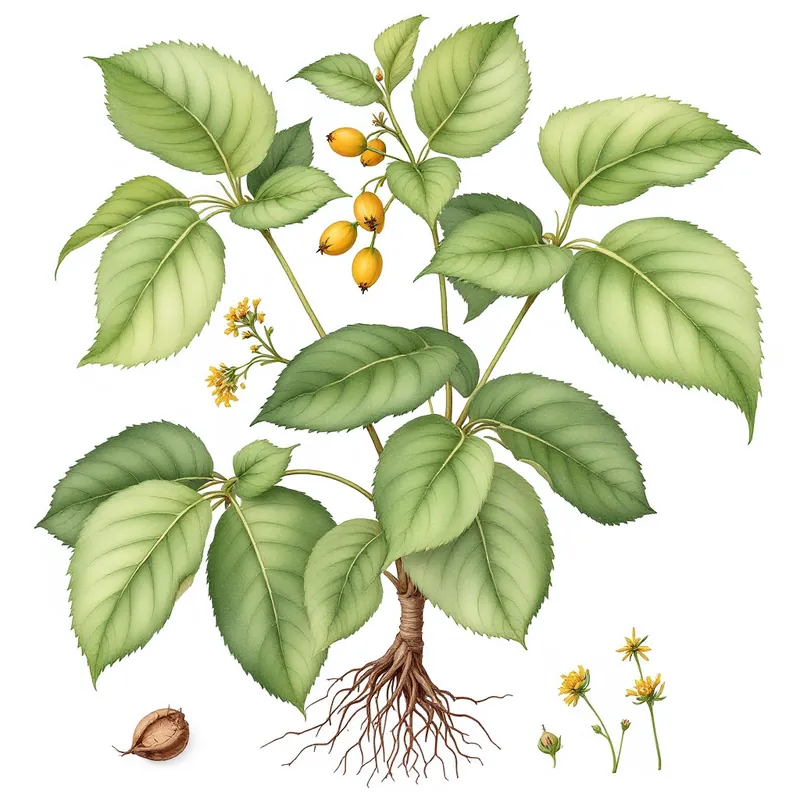
Ashoka (Saraca asoca) is known as the 'friend of women' in Ayurveda and has been used for millennia as a premier uterine tonic for menorrhagia, dysmenorrhea, uterine fibroids, and leucorrhea. Its flavonoid- and tannin-rich bark provides hemostatic, astringent, anti-inflammatory, and uterine-tonifying actions—documented oxytocic activity in animal and isolated human uterine preparations. Contraindicated in pregnancy. A culturally and spiritually significant tree with classical formulations including Ashokarishta and Ashokagritha.
Primary Actions
Indications
CAUTION: Pregnancy, Breastfeeding, Autoimmune disease (RA, lupus, Hashimoto thyroiditis), Hyperthyroidism, Pre-surgical patients, Hormone-sensitive prostate cancer, CNS depressants (benzodiazepines, barbiturates, alcohol), MAOIs, Polycystic ovary syndrome (PCOS), Pre-existing chronic liver disease or cirrhosis, Solanaceae (nightshade) family hypersensitivity, Diabetes mellitus on hypoglycemic therapy (insulin, sulfonylureas, meglitinides), Hypotension or concurrent antihypertensive therapy, Bipolar disorder, Hormone-sensitive breast, ovarian, or endometrial cancer (ER+/PR+)
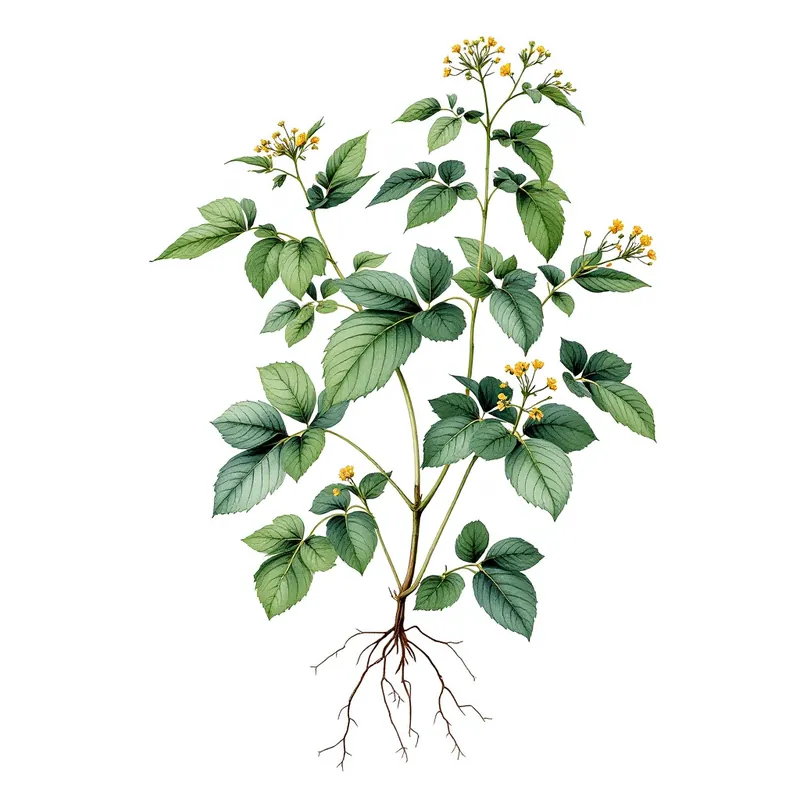
Ashwagandha (Withania somnifera) is the cornerstone Ayurvedic adaptogen widely used in integrative and naturopathic medicine to modulate the HPA axis, normalize cortisol levels, and build resilience to physical and psychological stress. Standardized root extracts (300-600 mg/day of 5% withanolides) have demonstrated clinical benefits for anxiety reduction, sleep quality, male fertility, and exercise performance across multiple RCTs. Contraindicated in pregnancy and hyperthyroidism; use with caution alongside sedatives, immunosuppressants, and thyroid medications.
Primary Actions
Indications
CAUTION: Immunosuppressant therapy (cyclosporine, tacrolimus, azathioprine, biologics), Autoimmune diseases (lupus, MS, RA, IBD), Acute infection or high fever, Pregnancy
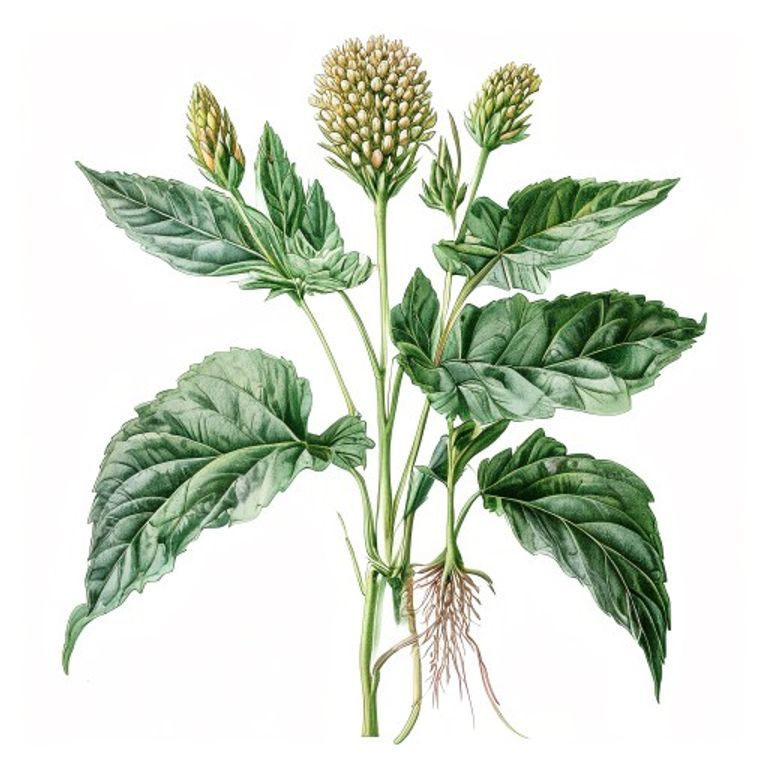
Astragalus membranaceus (Huang Qi) is one of the most widely prescribed herbs in Traditional Chinese Medicine, revered for over 2,000 years as the premier Qi tonic and immunomodulator. Its astragalosides, polysaccharides, and flavonoids exert immunostimulant, adaptogenic, anti-inflammatory, and cardioprotective effects, with recent meta-analyses confirming clinical benefit in chronic kidney disease, diabetes (as adjunct to metformin), and immune function. Practitioners must exercise caution regarding drug interactions with immunosuppressants (tacrolimus, cyclosporine), CYP3A4-dependent drugs, and antidiabetics; it is contraindicated during pregnancy based on animal data suggesting fetal toxicity.
Primary Actions
Indications
CAUTION: Yin deficiency with heat signs, Asteraceae/Compositae allergy
Atractylodes macrocephala (Bai Zhu) is a foundational TCM Qi tonic with 2000 years of clinical use for Spleen deficiency, digestive weakness, and dampness. Modern research validates gastroprotective, immunomodulatory and anti-inflammatory actions driven by atractylenolides and polysaccharides. It is a deputy herb in the classical Si Jun Zi Tang formula and is still among the most commonly prescribed herbs in East Asia.
Primary Actions
Indications
CAUTION: Thyroid disorders (hyperthyroidism or managed hypothyroidism), Bradycardia (slow heart rate), Gastrointestinal obstruction or peptic ulcer disease, Pulmonary conditions (asthma, COPD), Urinary tract obstruction, Concurrent use of CYP450-metabolized medications, Concurrent anticholinergic medication use
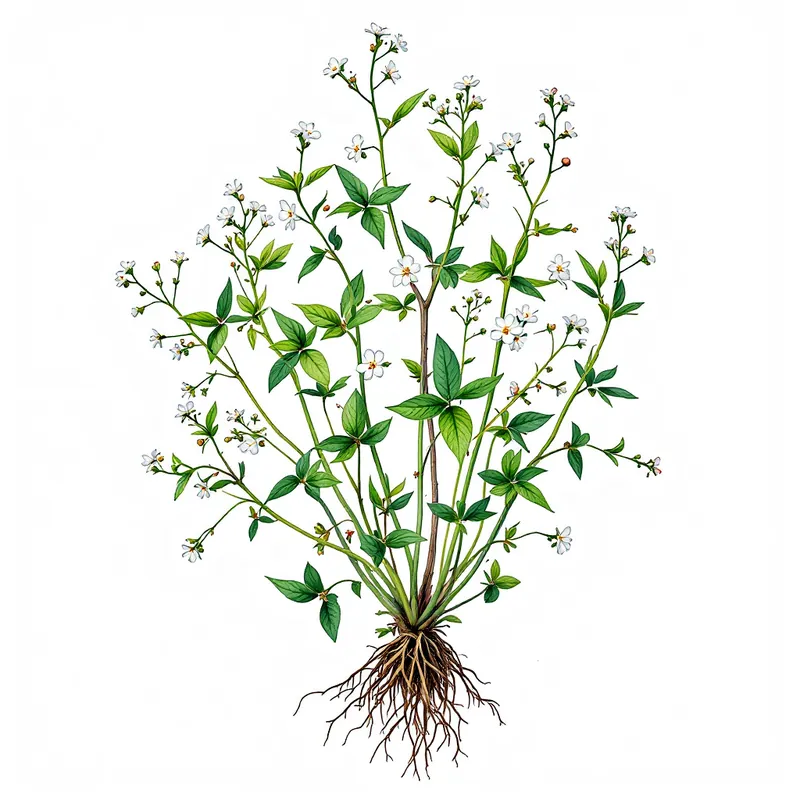
Bacopa monnieri (Brahmi) is a premier Ayurvedic Medhya Rasayana herb with over 3,000 years of documented use for cognitive enhancement, memory, and mental clarity. Its primary active constituents — the triterpenoid saponins bacosides A and B — exert neuroprotective effects through acetylcholinesterase inhibition, antioxidant activity, beta-amyloid reduction, and modulation of serotonin, dopamine, and acetylcholine pathways. Multiple systematic reviews and meta-analyses of RCTs confirm improvements in memory free recall, speed of attention, and verbal learning at 300-450 mg/day of standardized extract over 12+ weeks, positioning it as one of the best-evidenced botanical nootropics. Clinicians should exercise caution in patients with thyroid disease, bradycardia, or on CYP450-metabolized medications, and Bacopa should be avoided in pregnancy and lactation due to insufficient safety data.
Primary Actions
Indications
CAUTION: Pregnancy, Breastfeeding / Neonates, CYP3A4, CYP2D6, CYP2C9 substrate medications, Hypoglycemic medications (metformin, insulin, sulfonylureas)
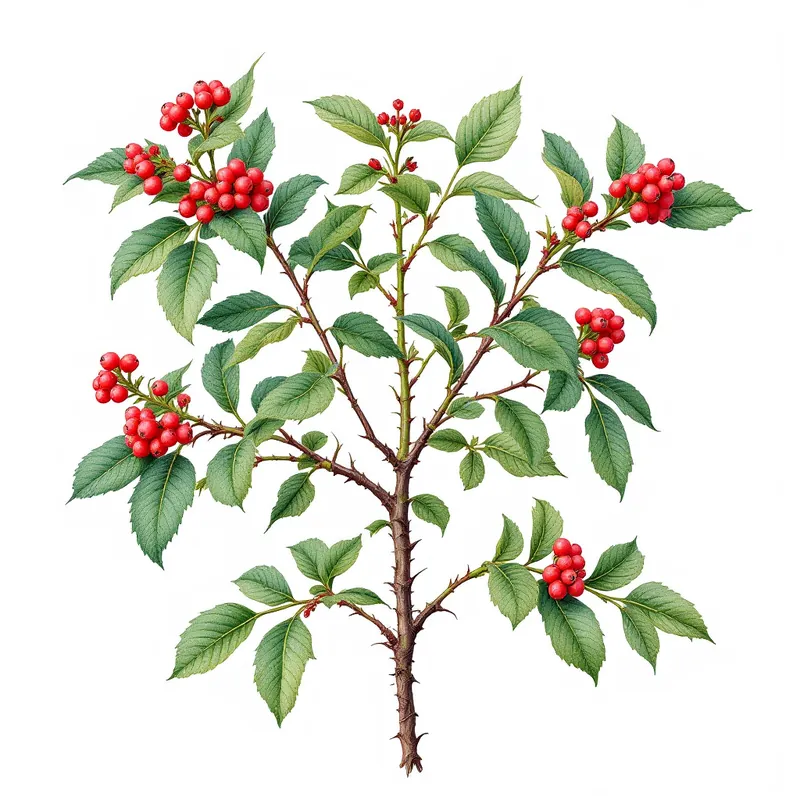
Barberry (Berberis vulgaris) is the primary botanical source of berberine, an isoquinoline alkaloid with broad clinical applications in metabolic medicine. Multiple RCTs and meta-analyses demonstrate berberine (500 mg TID) significantly improves blood glucose, HbA1c, LDL cholesterol, and triglycerides in metabolic syndrome and type 2 diabetes, with some studies showing efficacy comparable to metformin. It is also a potent antimicrobial effective against H. pylori and gastrointestinal pathogens. Key clinical concerns include significant CYP3A4/2D6/2C9 inhibition (multiple drug interactions), and absolute contraindication in pregnancy and breastfeeding due to risk of neonatal kernicterus.
Primary Actions
Indications
CAUTION: Pregnancy (large doses, topical or oral), High-dose internal use (hepatotoxicity risk), Concurrent anticoagulant therapy
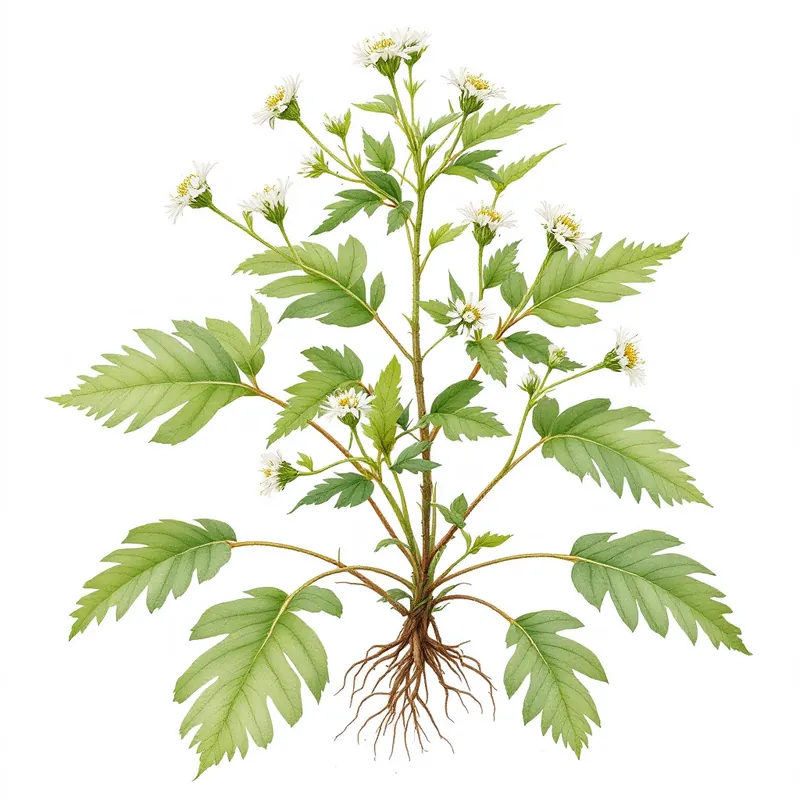
Bhringaraj (Eclipta prostrata), known as Mo Han Lian in TCM and Bhringaraj in Ayurveda, is a clinically versatile herb with dual fame as a premier hair-growth promoter and hepatoprotective agent. Its coumestan wedelolactone and eclalbasaponins drive hepatoprotective effects by reducing oxidative stress, inhibiting NF-kB, and inducing apoptosis in activated hepatic stellate cells; while hair-growth promotion involves stimulating follicular transition from telogen to anagen phase. Safe at traditional doses, it demonstrates biphasic hepatotoxicity (protective at low-moderate doses, toxic at high doses in animal models), requiring adherence to dose guidelines and liver function monitoring with extended use.
Primary Actions
Indications
CAUTION: Pregnancy, Lactation, Concurrent anticoagulant therapy, Concurrent oral medications, Dehydration or debility
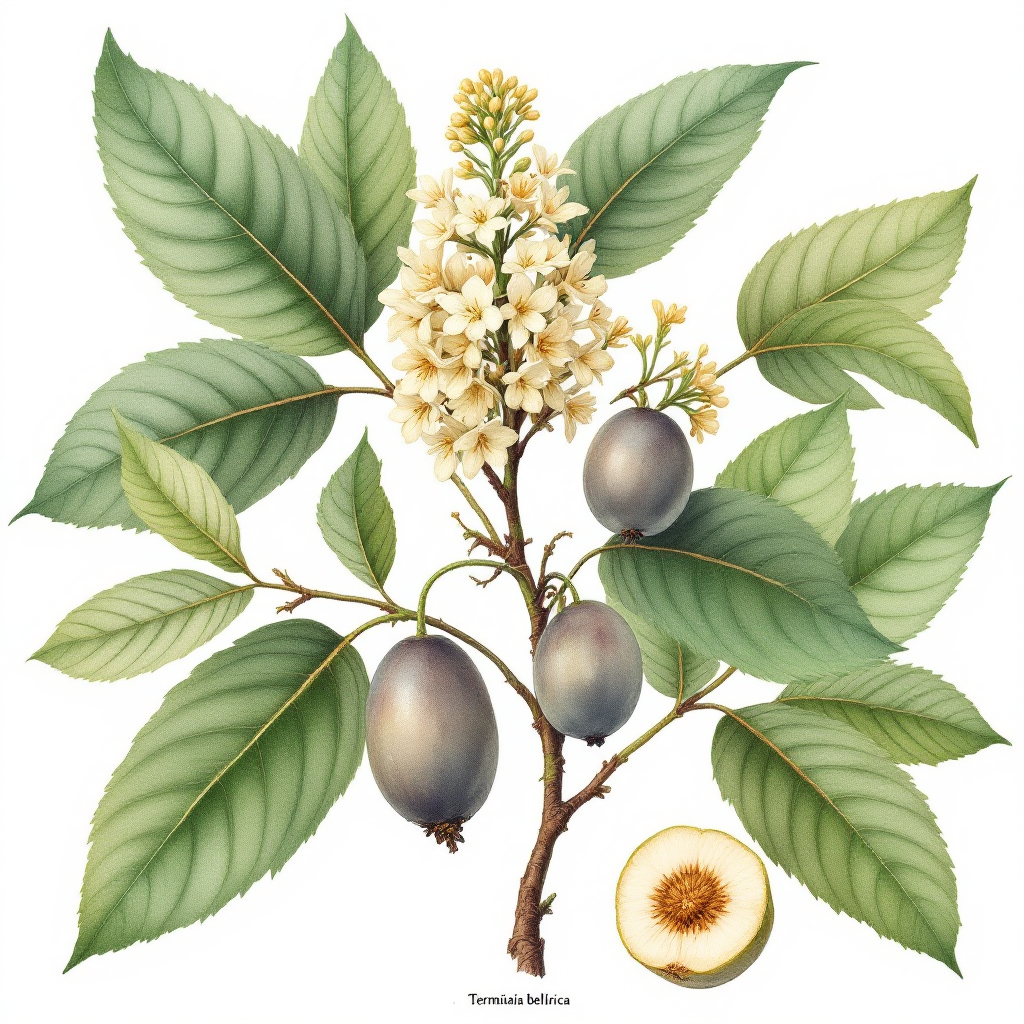
Bibhitaki (Terminalia bellirica) is the middle fruit of the Ayurvedic Triphala formula alongside Amalaki and Haritaki. Rich in gallotannins and chebulagic acid, it provides gentle laxative, astringent, and rejuvenative (rasayana) actions. A randomized clinical pilot showed 500 mg significantly reduced serum uric acid in hyperuricemia, and triphala-level research supports its roles in dyslipidemia, dental health, and antioxidant support. Traditionally avoided in pregnancy and lactation.
Primary Actions
Indications
CAUTION: Concurrent anticoagulant or antiplatelet therapy, Bilberry leaf — prolonged high-dose use, Concurrent hypoglycaemic therapy
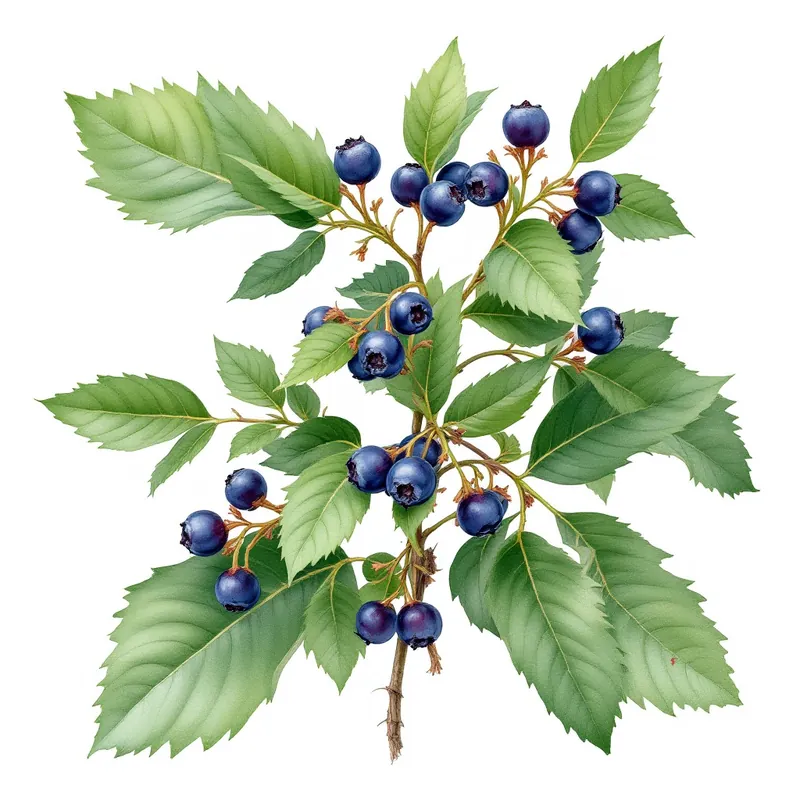
Bilberry (Vaccinium myrtillus) is a northern European shrub whose berries are among the richest known sources of anthocyanins — polyphenols responsible for its distinctive deep-purple colour and most of its therapeutic actions. Clinical evidence supports benefit in retinopathy (diabetic and hypertensive), dyslipidaemia, chronic venous insufficiency, and as an adjunct antidiarrhoeal (tannin-rich fruit). Evidence for night vision enhancement is not consistently confirmed in rigorous placebo-controlled trials. Bilberry fruit is very well tolerated; leaf preparations carry higher safety concerns and should be used cautiously. Anti-platelet properties warrant monitoring in patients on anticoagulant therapy.
Primary Actions
Indications
CAUTION: Known allergy to bracket fungi or polypores, Autoimmune disease (on immunosuppressant therapy)
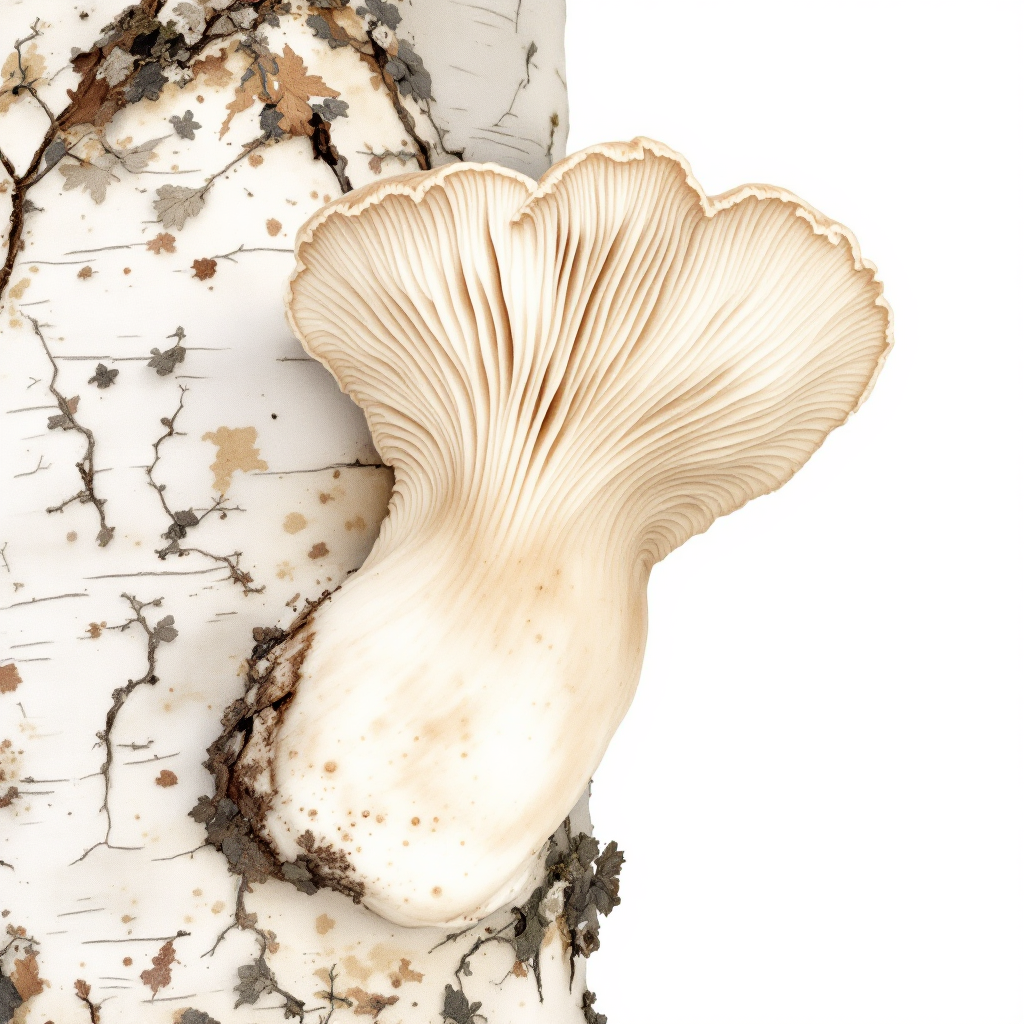
Fomitopsis betulina (Birch Polypore) is one of humanitys oldest documented medicinal fungi, carried by Ötzi the Iceman ~5,300 years ago. Preclinical research confirms antibacterial, anti-inflammatory, antiparasitic, antiviral, and selective antitumour activity — with triterpenes and high-content beta-(1,3)-glucans (~52% dry weight) as primary bioactives. Selective cytotoxicity has been demonstrated against prostate cancer, melanoma, and colorectal cancer cell lines in vitro, while sparing normal cells. No human clinical trials have yet been published; evidence base is preclinical (in vitro and animal) only.
Primary Actions
Indications
CAUTION: Pregnancy, Concurrent antidiabetic medication (insulin, metformin, sulfonylureas), G6PD deficiency, Liver disease
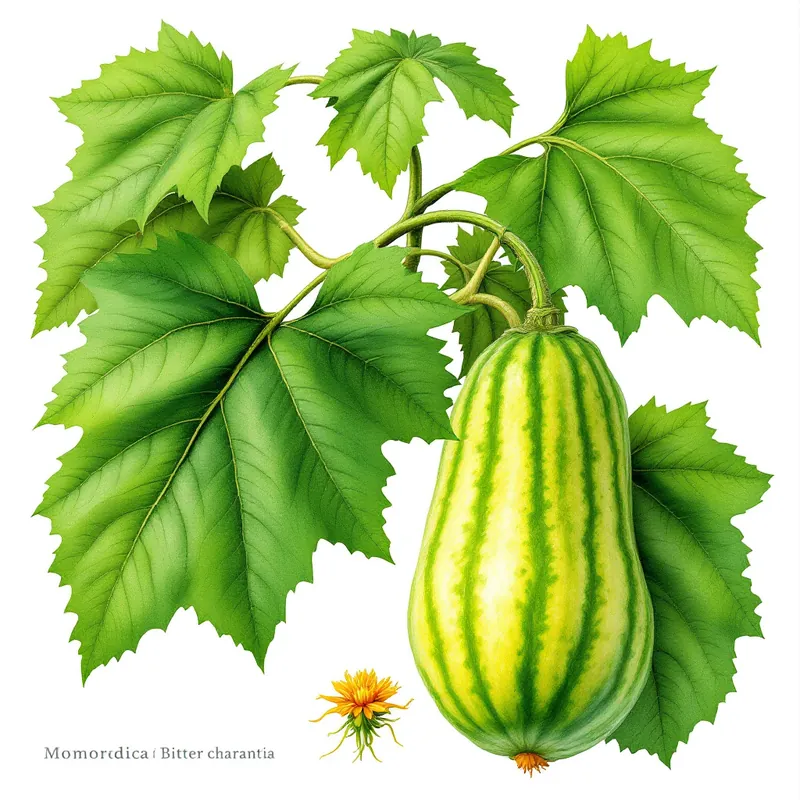
Bitter Melon (Momordica charantia) is a tropical vine of the Cucurbitaceae family with millennia of use across TCM, Ayurveda, and Caribbean traditional medicine for blood sugar regulation. Its key hypoglycaemic constituents — charantin, polypeptide-P, and momordicosides — appear to activate AMPK, improve insulin sensitivity, and stimulate pancreatic beta-cell function. Multiple small RCTs demonstrate modest reductions in fasting glucose and HbA1c in type 2 diabetes patients; however, results are inconsistent and evidence does not yet support use as a first-line agent. It is contraindicated in pregnancy (uterotonic/abortifacient), requires blood glucose monitoring when combined with antidiabetics, and should be avoided in G6PD-deficient individuals due to vicine content.
Primary Actions
Indications
CAUTION: Concurrent MAO inhibitor therapy, Hypertension, Cardiovascular disease / arrhythmia, Pregnancy and lactation, Concurrent CYP3A4 substrate medications
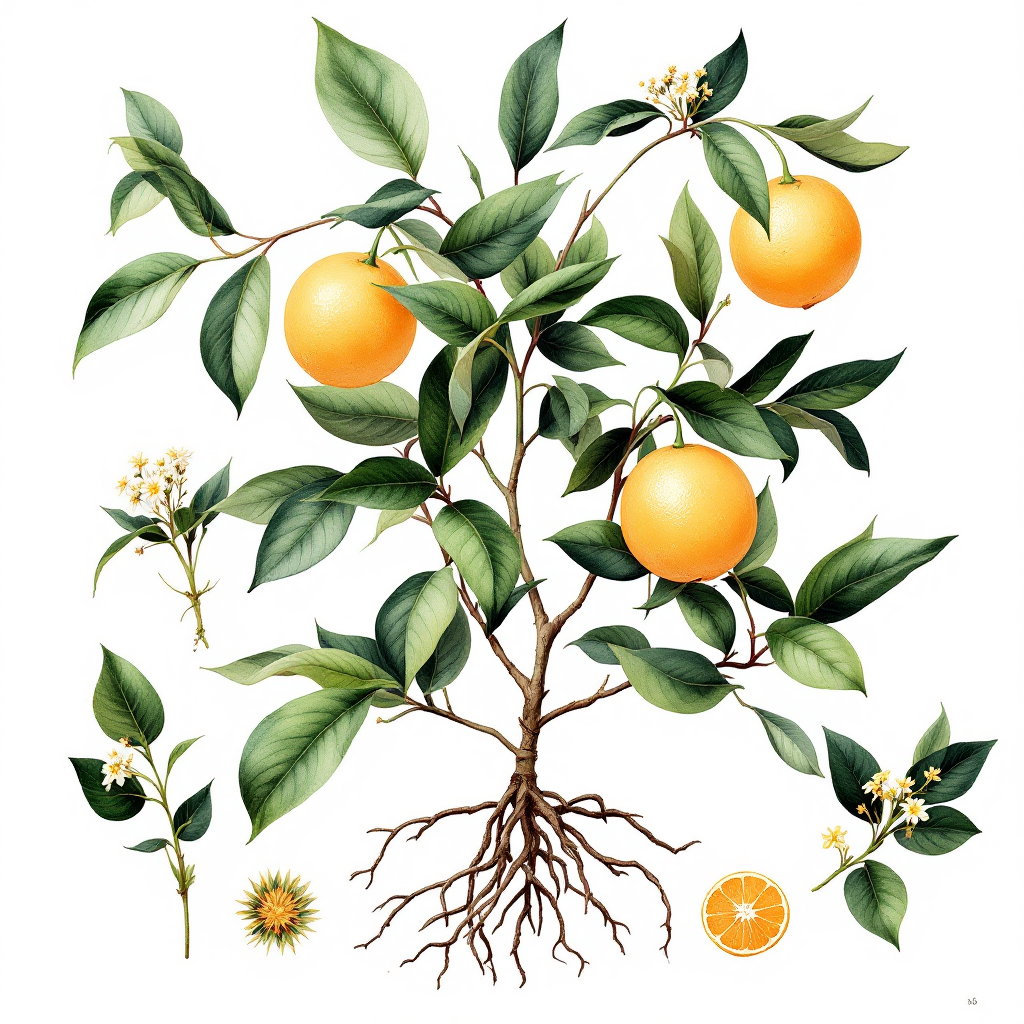
Bitter Orange (Citrus × aurantium) has dual clinical identities: as the important TCM herb Zhi Shi/Zhi Ke for Qi stagnation and food stagnation, and as a Western weight-management supplement standardized for p-synephrine. Following the ephedra ban, synephrine-containing products have raised cardiovascular safety concerns—particularly when combined with caffeine—and should be used cautiously. Bitter orange juice also contains furanocoumarins causing grapefruit-like CYP3A4 interactions with many pharmaceuticals.
Primary Actions
Indications
CAUTION: Liver disease or hepatic impairment, Pregnancy, Hormone-sensitive cancers (estrogen receptor-positive breast cancer, endometrial cancer), Concurrent hepatotoxic medications (statins, high-dose acetaminophen, methotrexate)
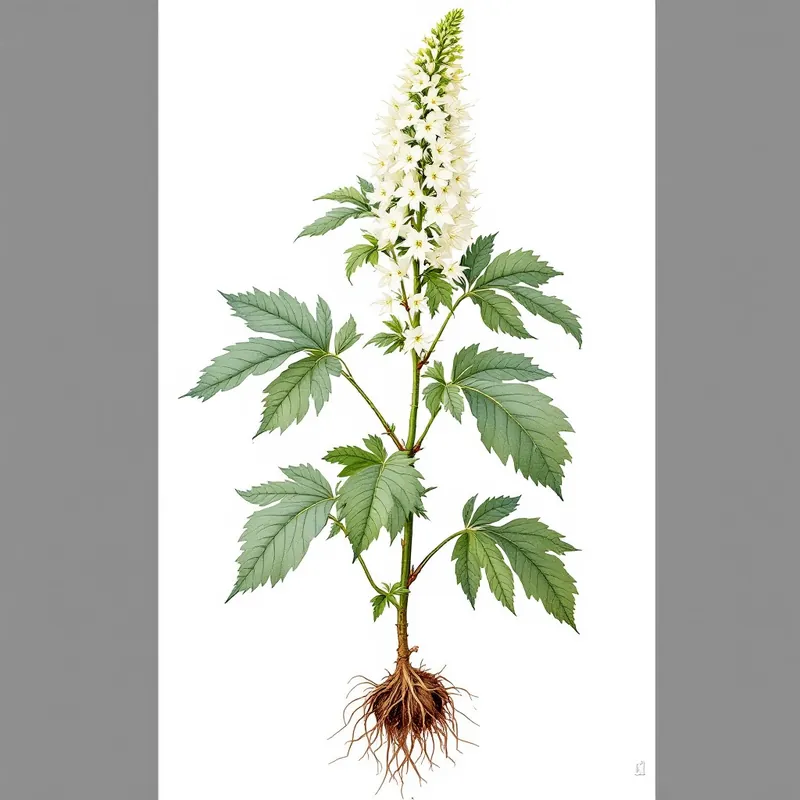
Black Cohosh (Actaea racemosa) is North America's most important indigenous women's health herb, used for centuries by Native American peoples and subsequently adopted by German phytomedicine as a primary treatment for menopausal vasomotor symptoms. Multiple systematic reviews encompassing over 2,000 women show potential benefit for hot flashes at standard doses of 40-80 mg/day of standardized extract. The most critical safety concern is idiosyncratic hepatotoxicity — with over 50 published case reports ranging from mild enzyme elevation to fatal acute liver failure — necessitating baseline and periodic liver function test monitoring and complete avoidance in patients with any hepatic impairment.
Primary Actions
Indications
CAUTION: Concurrent anticoagulant or antiplatelet therapy, Surgery (within 2 weeks), Concurrent phenothiazine antipsychotics, Pregnancy and lactation
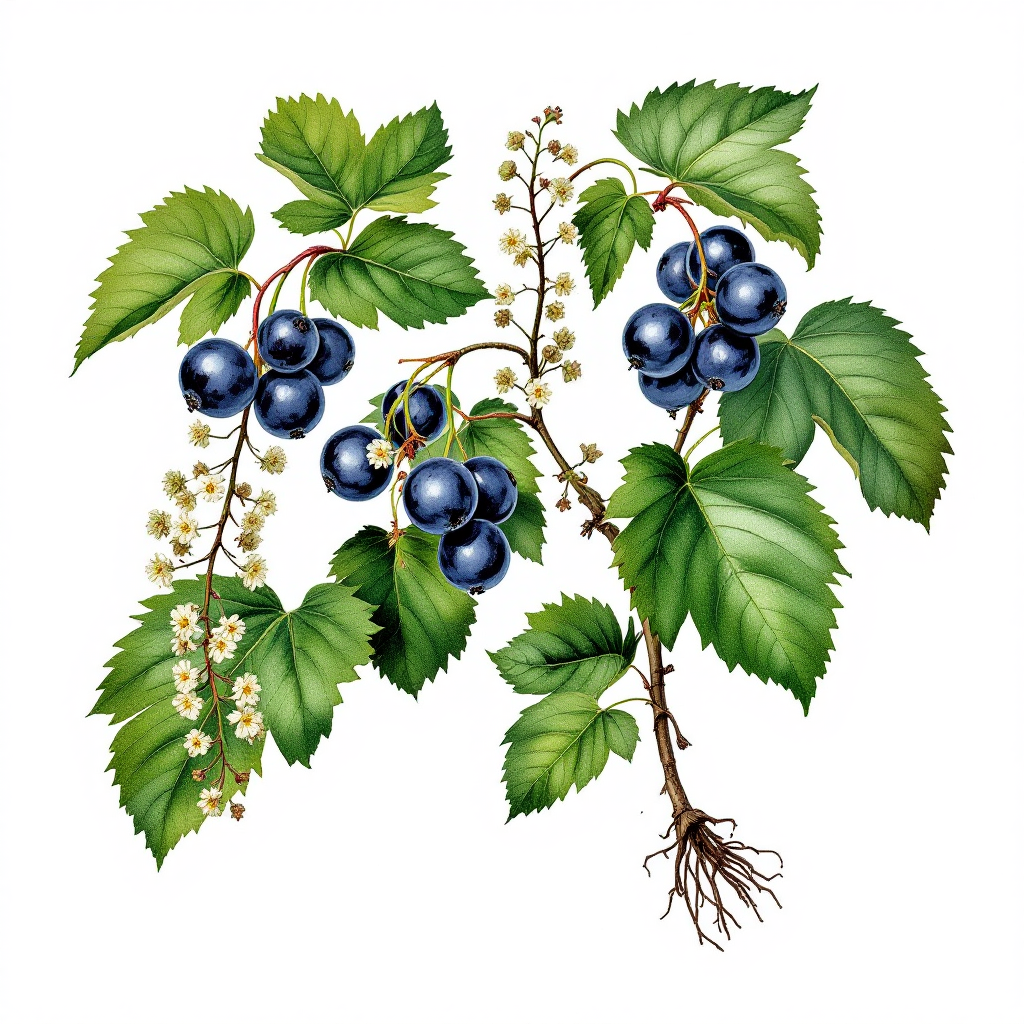
Black Currant (Ribes nigrum) is a European deciduous shrub whose berries provide anthocyanins (especially delphinidin and cyanidin rutinosides) supporting vascular, ocular, and immune health, while its seed oil is one of the richest plant sources of gamma-linolenic acid (GLA, ~12-15%) along with alpha-linolenic acid and stearidonic acid. Clinical applications include atopic dermatitis prevention in newborns (RCT evidence), PMS, dry skin, rheumatic complaints, eye strain, and adjunctive cardiovascular support. Generally well tolerated with minimal interactions beyond theoretical antiplatelet additive effects.
Primary Actions
Indications
CAUTION: Salicylate sensitivity / aspirin allergy, Reye syndrome risk (children with viral illness), History of kidney stones (oxalate), Anticoagulant therapy
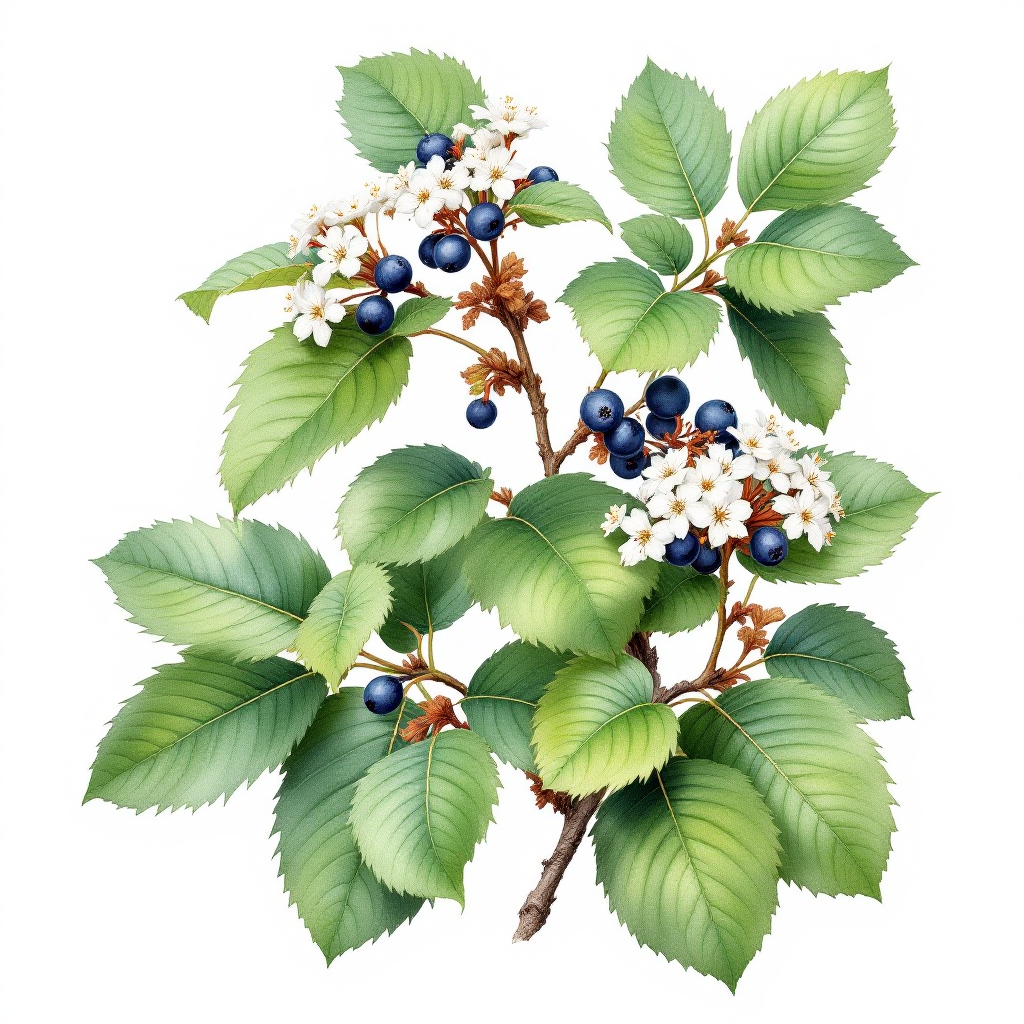
Black Haw (Viburnum prunifolium) is a North American Viburnum with a 140+ year history of use in women's reproductive health, particularly for dysmenorrhea, threatened miscarriage, and uterine cramping. Its scopoletin and aesculetin coumarins plus salicin act as direct uterine smooth muscle relaxants via β-adrenergic mechanisms. Official in the US Pharmacopoeia from 1882-1926, it remains a primary herb in contemporary Western herbalism for irritable uterus, menstrual cramps, and afterpains. Use caution with aspirin sensitivity.
Primary Actions
Indications
CAUTION: Active peptic ulcer disease / severe GERD, Concurrent narrow-therapeutic-index drugs (phenytoin, carbamazepine, propranolol, theophylline), Pregnancy (medicinal doses), Pediatric use of high-dose piperine supplements, Hemorrhoids / active anal fissure
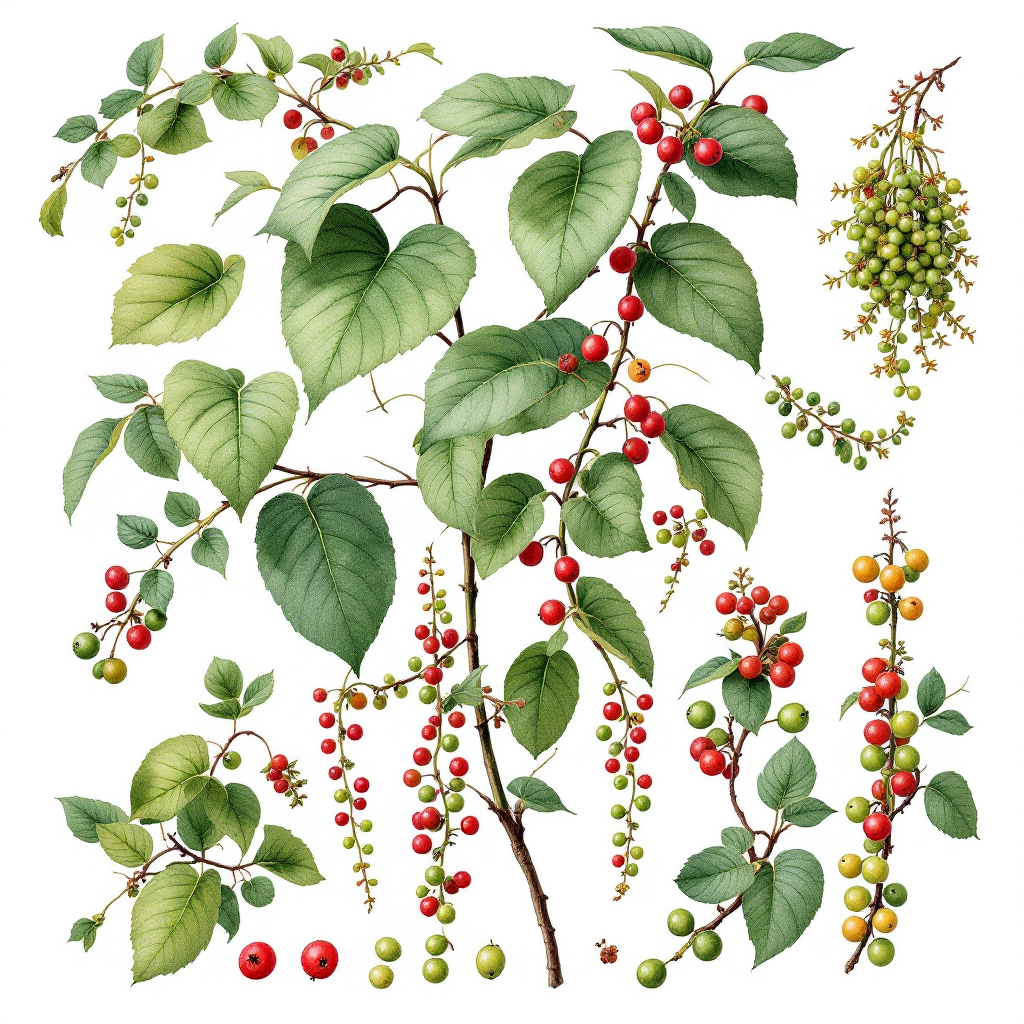
Black Pepper (Piper nigrum) is the world's most traded spice and a clinically important medicinal herb, known in Ayurveda as Maricha and pivotal to the trikatu formula. Its principal alkaloid piperine is a potent inhibitor of CYP3A4, CYP2D6, and P-glycoprotein, increasing the bioavailability of many drugs and botanicals — most famously boosting curcumin absorption by up to 2000 percent. Clinically it is used as a digestive stimulant, carminative, and bioavailability enhancer; caution is warranted when co-administered with narrow-therapeutic-index drugs.
Primary Actions
Indications
CAUTION: Anticoagulant therapy, Immunosuppressant therapy, Surgery — peri-operative period
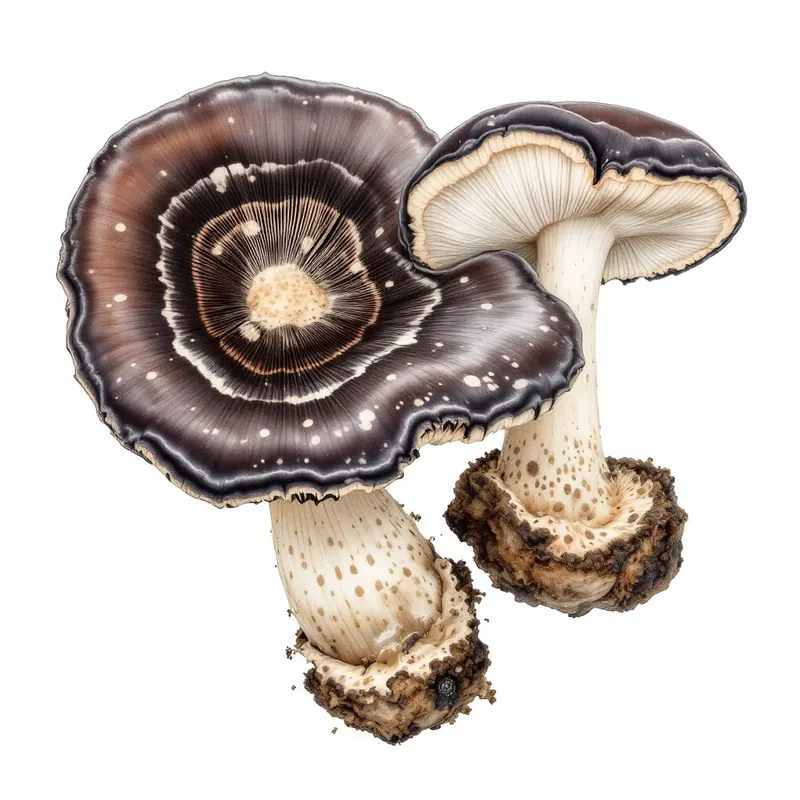
Ganoderma sinense (Black Reishi / Zi Zhi) is one of two Ganoderma species listed in the Chinese Pharmacopoeia, distinguished by its deep purple-black laccate cap. G. sinense polysaccharides (GSP) are approved in China as an adjunctive therapeutic drug for chemo/radiation-induced leukopenia, with demonstrated immune-balancing, antitumor, hematopoietic, and antioxidant properties comparable to G. lucidum. Recorded in the Shen Nong Ben Cao Jing over 2000 years ago as Zi Zhi (Purple Ganoderma), it tonifies Heart Qi, calms the spirit, and nourishes Kidney and Liver in TCM.
Primary Actions
Indications
CAUTION: Pregnancy, Anticoagulant or antiplatelet therapy (warfarin, heparin, aspirin, clopidogrel), Immunosuppressant medications (cyclosporine, tacrolimus), Hypoglycemic medications (insulin, metformin, sulfonylureas), Advanced renal disease
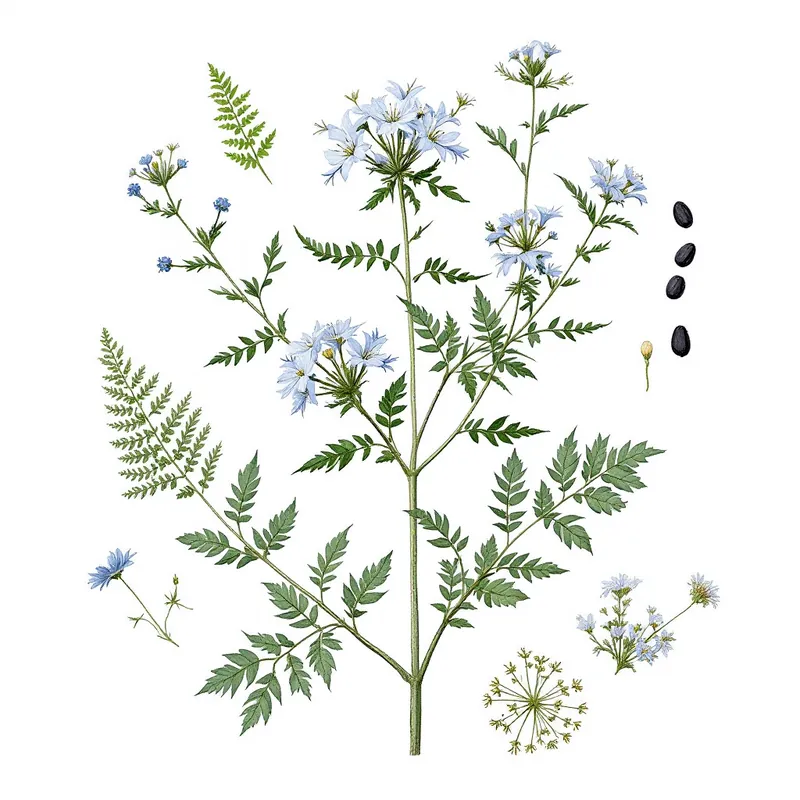
Black Seed (Nigella sativa) is one of history's most revered medicinal herbs, described in Islamic prophetic medicine as 'a cure for everything except death.' Its primary bioactive constituent, thymoquinone (TQ), drives potent antioxidant, anti-inflammatory, immunomodulatory, and metabolic effects. Clinical trials support its use for asthma, allergic rhinitis, type 2 diabetes, hypertension, and hyperlipidemia. Key pharmacological concerns include CYP2C9 inhibition (warfarin interaction), antiplatelet activity, and additive hypoglycemic risk. Contraindicated in pregnancy due to uterine-stimulating properties.
Primary Actions
Indications
CAUTION: Pregnancy, Tree nut allergy, Long-term internal use
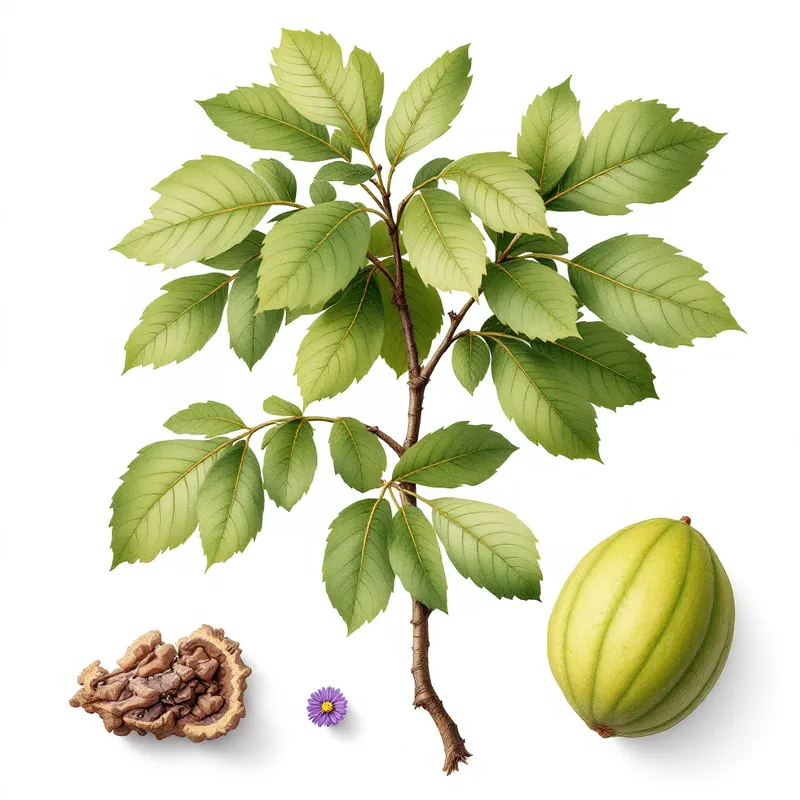
Black Walnut (Juglans nigra) is an Eastern North American hardwood tree whose green hull is used medicinally as an antiparasitic, antifungal, and antimicrobial herb. The primary active constituent juglone (5-hydroxy-1,4-naphthoquinone) disrupts parasite cellular metabolism, inhibits key fungal enzymes, and demonstrates antibacterial activity in vitro. Human clinical trials are lacking; evidence is primarily from in vitro studies and traditional use. It is a classic component of three-herb antiparasitic protocols alongside wormwood and cloves. Short-term use only is recommended; contraindicated in pregnancy and tree-nut allergy.
Primary Actions
Indications
CAUTION: Hyperthyroidism / Graves disease, Concurrent levothyroxine therapy, Pregnancy, Anticoagulant therapy (warfarin, heparin, DOACs), Iodine allergy/sensitivity
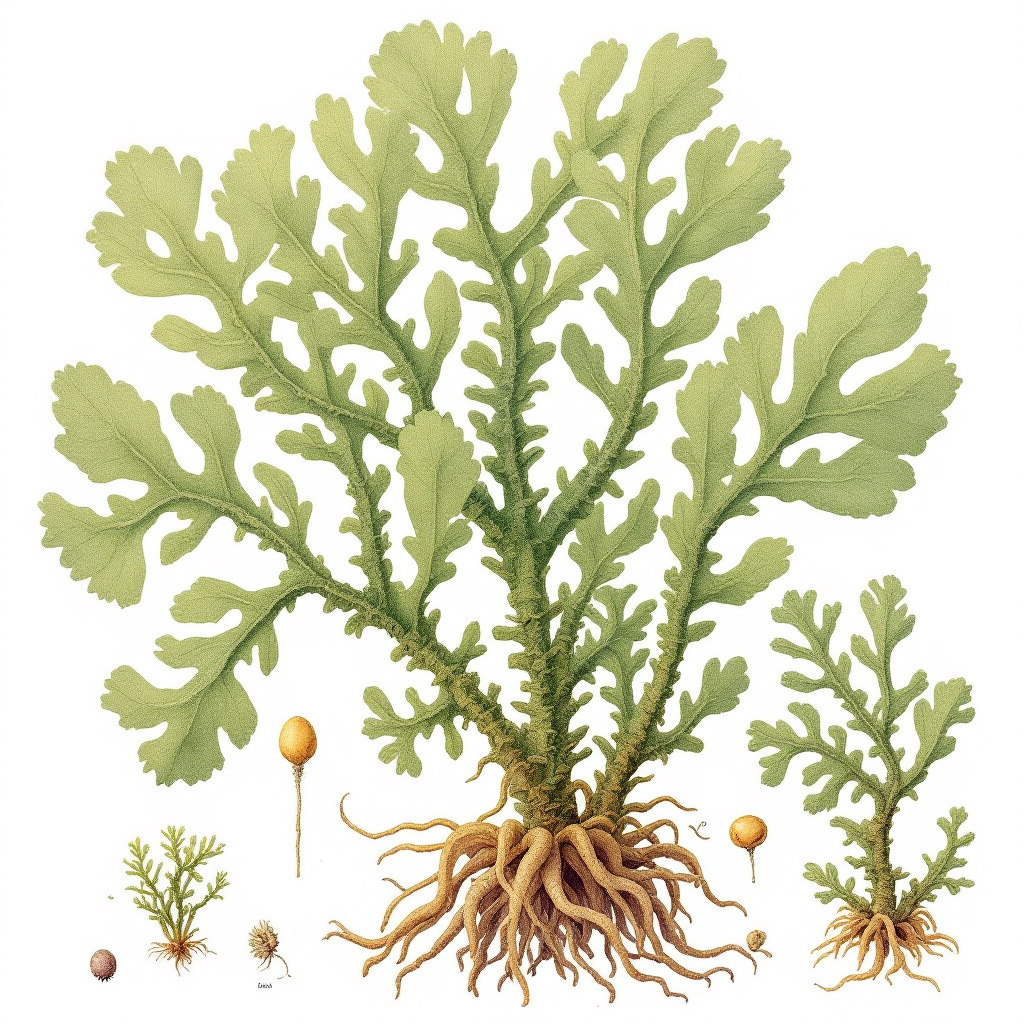
Bladderwrack (Fucus vesiculosus) is a brown seaweed historically used for iodine-deficient hypothyroidism, goiter, and obesity since its role in the 1811 discovery of iodine. Its active constituents include variable levels of iodine, fucoidan (anti-inflammatory sulfated polysaccharide), alginates (demulcent), and fucoxanthin (antioxidant carotenoid). Caution is warranted due to unpredictable iodine content and heavy-metal bioaccumulation risk; it is contraindicated in hyperthyroidism and requires thyroid monitoring during use.
Primary Actions
Indications
CAUTION: Pregnancy, Asteraceae/Compositae allergy (ragweed, etc.), Peptic ulcer disease / active GERD, Doses exceeding 5 g per cup of tea
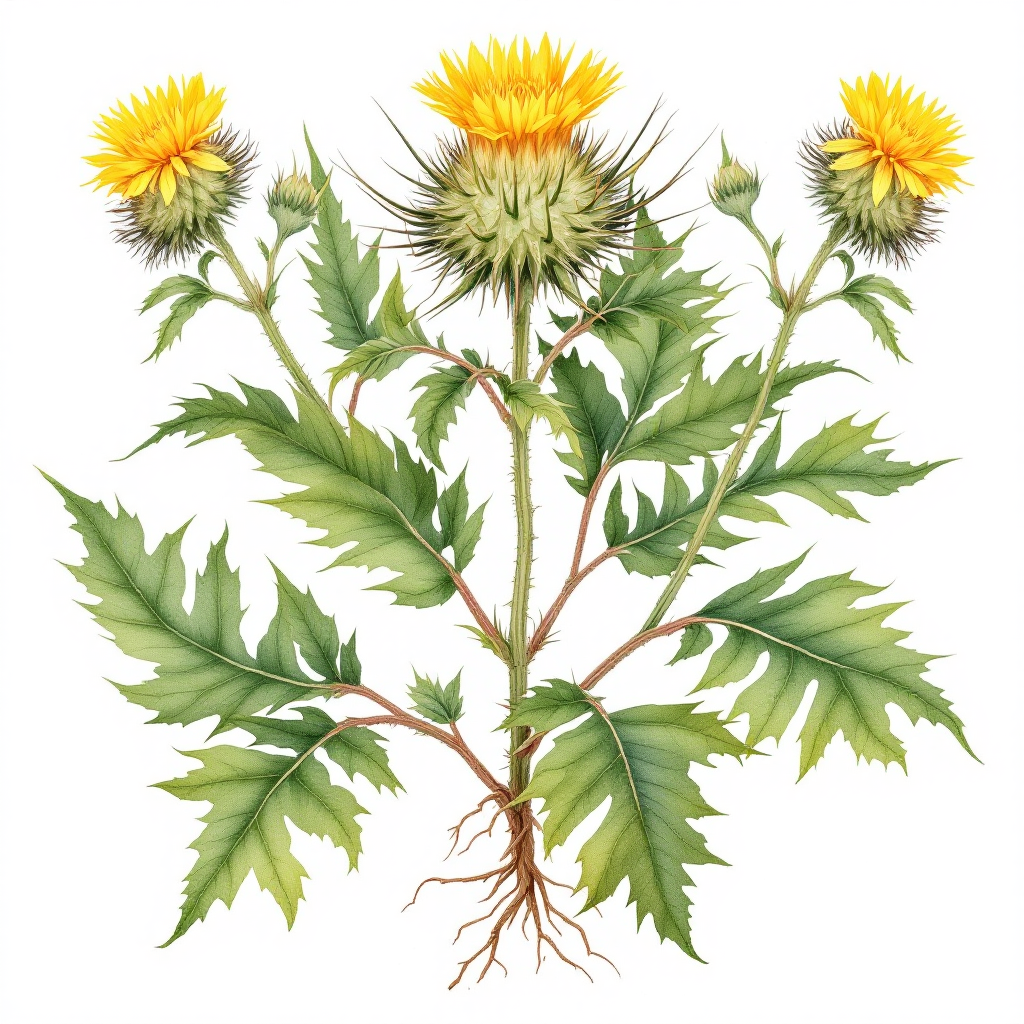
Blessed thistle (Cnicus benedictus) is a Mediterranean bitter herb traditionally cultivated in Benedictine monasteries for digestive and cure-all uses. It is approved by German Commission E for dyspepsia and loss of appetite, and widely used as a postnatal galactagogue — typically paired with fenugreek in commercial breastfeeding formulas. The active bitter principle cnicin stimulates gastric, biliary, and salivary secretions. Contraindicated in pregnancy and Asteraceae allergy; generally well-tolerated at recommended doses.
Primary Actions
Indications
CAUTION: Pregnancy (first and second trimester), Near-term labour use (without medical supervision), Cardiovascular disease (angina, hypertension), Lactation
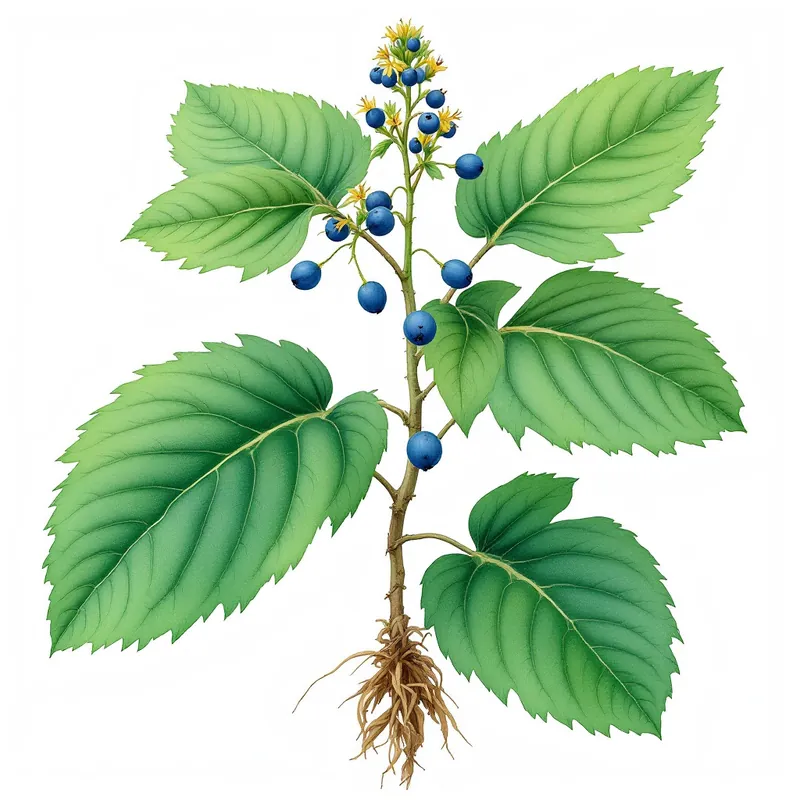
Blue Cohosh (Caulophyllum thalictroides) is a historically significant Native American and Eclectic medicine herb for female reproductive conditions, but it carries serious documented safety concerns that severely limit its therapeutic application. N-methylcytisine and caulosaponin produce coronary vasoconstriction and nicotine-like cardiovascular effects; three clinical case reports link perinatal use to neonatal myocardial infarction, CHF, stroke, and multi-organ failure. It is absolutely contraindicated in pregnancy and lactation. In non-pregnant women, it may be cautiously used under professional supervision for dysmenorrhoea from poor uterine tone, but CYP inhibition and cardiovascular monitoring are essential. Its risk profile makes it one of the highest-risk herbs in clinical herbal practice.
Primary Actions
Indications
CAUTION: Pregnancy and lactation, Liver disease, Asteraceae allergy (ragweed)
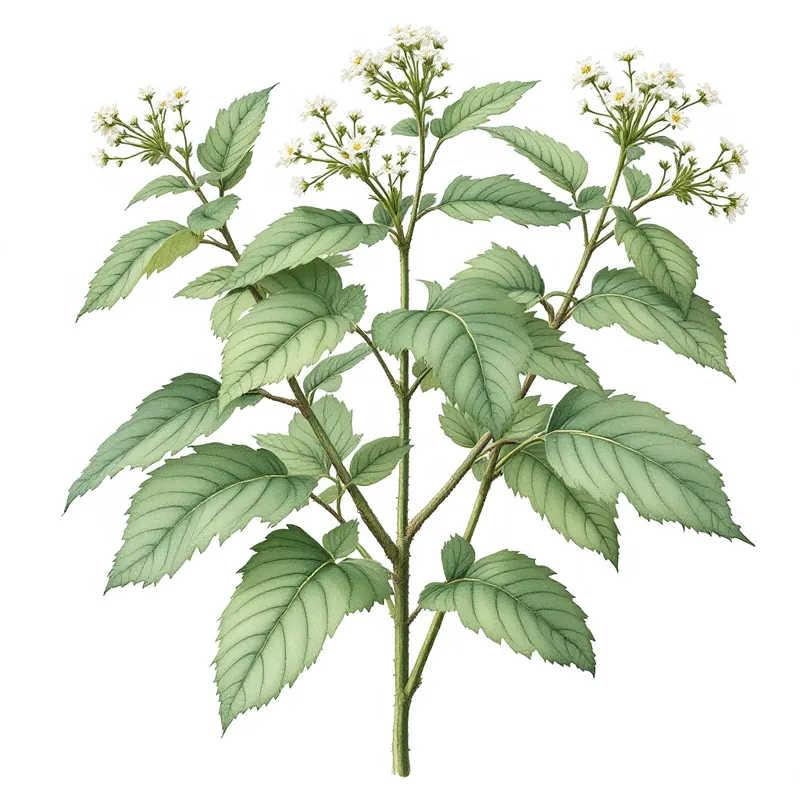
Boneset (Eupatorium perfoliatum) was the single most important Eclectic medicine herb for influenza, revered for its ability to relieve the characteristic deep bone aching, fever, and chills of flu-like illness. Its polysaccharides stimulate immune phagocytosis, and its sesquiterpene lactones (euperfolin, eupafolin) inhibit pro-inflammatory cytokines. A critical safety concern is the possible presence of hepatotoxic pyrrolizidine alkaloids detected in some specimens, making it strictly contraindicated in pregnancy and liver disease. Clinical use is limited to acute short-term applications (hot diaphoretic tea at onset of febrile illness) from verified PA-tested sources only.
Primary Actions
Indications
CAUTION: Pregnancy, Concurrent anticoagulant therapy (warfarin, heparin, rivaroxaban, apixaban), Active hepatic disease or liver impairment, Allergy to Burseraceae family plants (myrrh, elemi), Pre-operative period (within 2 weeks of surgery)
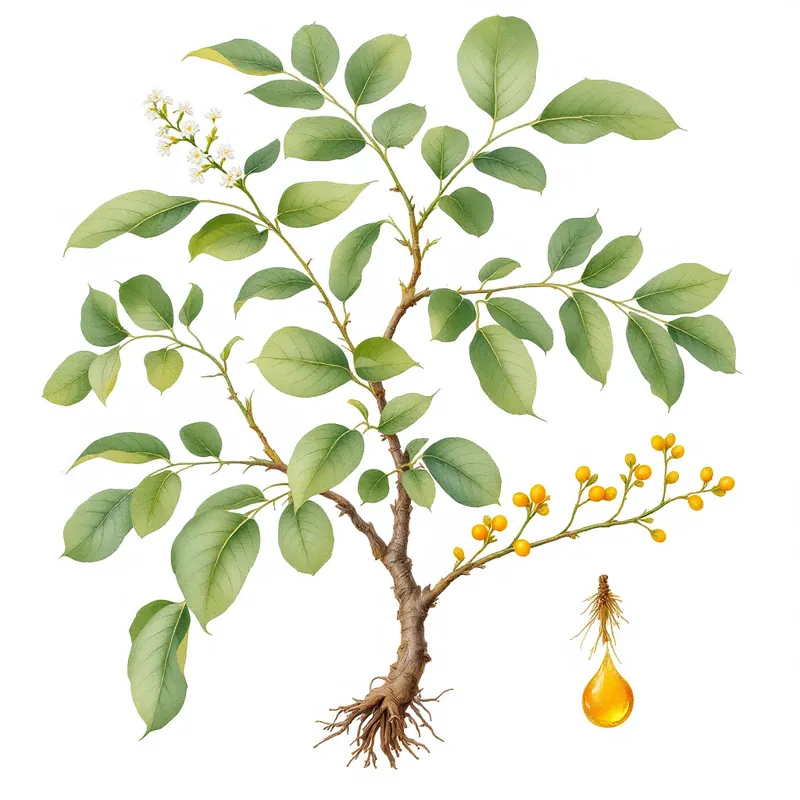
Boswellia serrata (Indian Frankincense) is a deciduous tree native to the dry mountainous regions of India, North Africa, and the Middle East, whose aromatic gum resin has been used for millennia in Ayurvedic, Unani, and Chinese medicine for inflammatory, respiratory, and musculoskeletal conditions. The primary active compounds are pentacyclic triterpenoid boswellic acids — particularly AKBA and KBA — which exert targeted anti-inflammatory effects primarily through inhibition of 5-lipoxygenase (5-LOX), microsomal prostaglandin E synthase-1, and NF-κB signaling pathways, offering an NSAID-sparing mechanism without COX inhibition. Multiple RCTs and systematic reviews support clinical efficacy for knee osteoarthritis, inflammatory bowel disease, and bronchial asthma; it is generally well-tolerated, with mild gastrointestinal adverse effects being the most commonly reported side effects and a notably favorable safety profile compared to conventional NSAIDs.
Primary Actions
Indications
CAUTION: Known allergy to Plantaginaceae family or psyllium, Anticoagulants (warfarin)
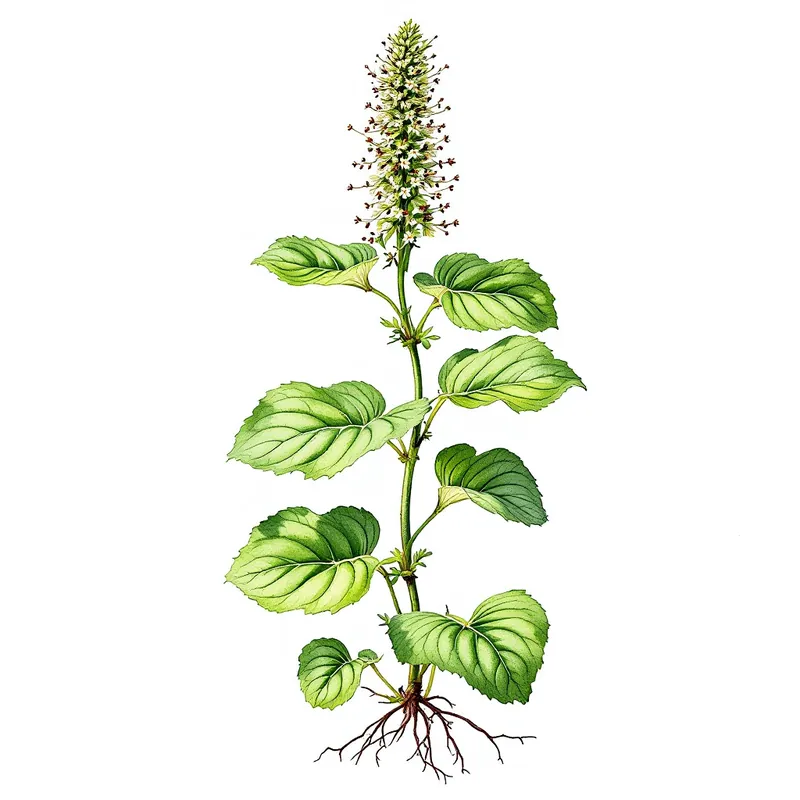
Broadleaf Plantain (Plantago major) is one of the world's most widely distributed medicinal herbs, used across virtually every traditional healing system for wound healing, respiratory complaints, and urinary tract conditions. Key bioactives are aucubin (anti-inflammatory iridoid), allantoin (wound-healing, promotes fibroblast proliferation), plantamajoside (antioxidant, anti-inflammatory), and mucilage (demulcent). A case-control clinical trial confirmed efficacy for second-degree burn wound healing comparable to silver sulfadiazine. German Commission E approves it for cough and skin inflammation. Its excellent safety profile (Grade A in pregnancy and lactation) and accessibility as a common weed make it a practical first-aid herb.
Primary Actions
Indications
CAUTION: Pregnancy, Liver disease, Bleeding disorders / anticoagulant therapy, Acute kidney inflammation / pyelonephritis
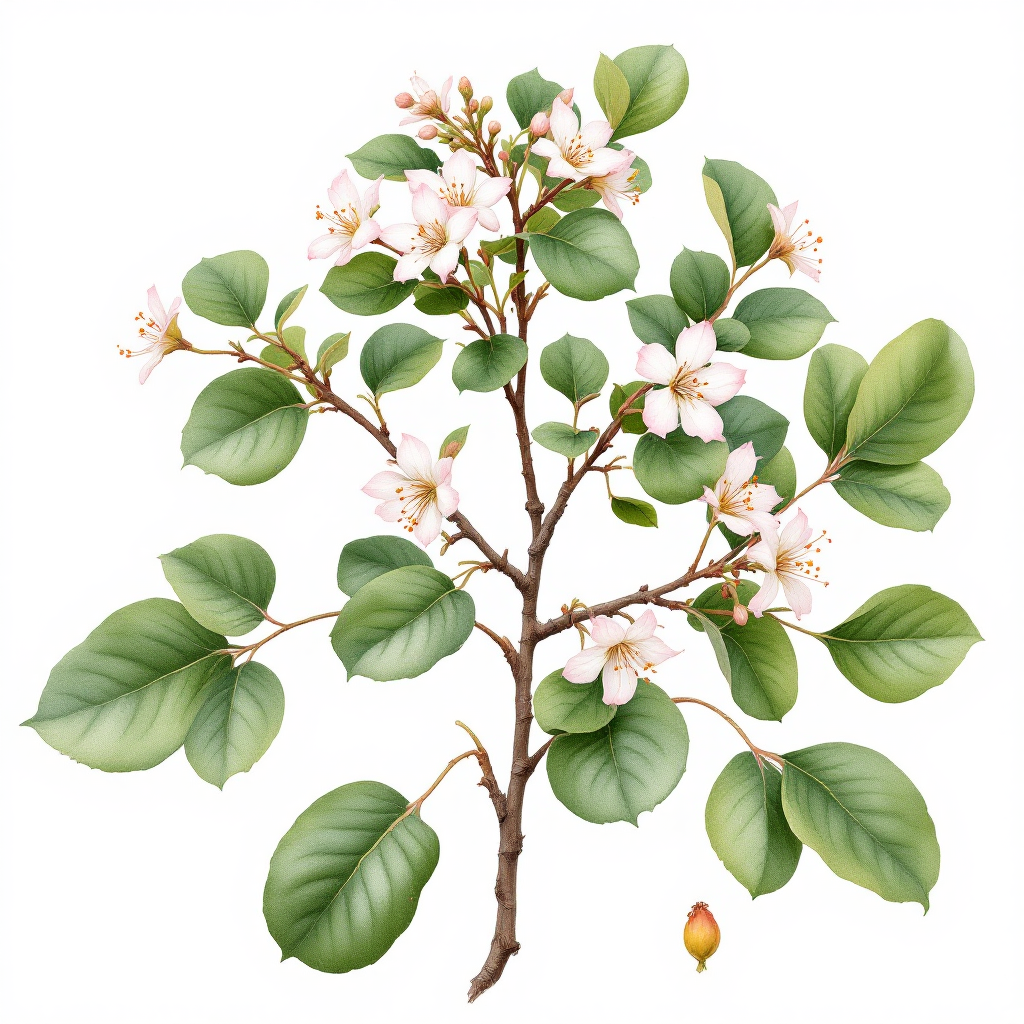
Buchu (Agathosma betulina) is an aromatic South African shrub historically used as a urinary antiseptic, diuretic, and aqueretic for cystitis, urethritis, prostatitis, and gout. Its leaves contain pulegone-rich essential oil, which raises concerns for hepatotoxicity at high doses and abortifacient effects, making it contraindicated in pregnancy. Modern clinical evidence is limited but it remains a popular ingredient in traditional urinary tonic formulations.
Primary Actions
Indications
CAUTION: Hypothyroidism, Pregnancy, Lactation, Concurrent thyroid hormone replacement (levothyroxine), Goiter without functional disorder / enlarged thyroid, Thyroid radioisotope diagnostic procedures
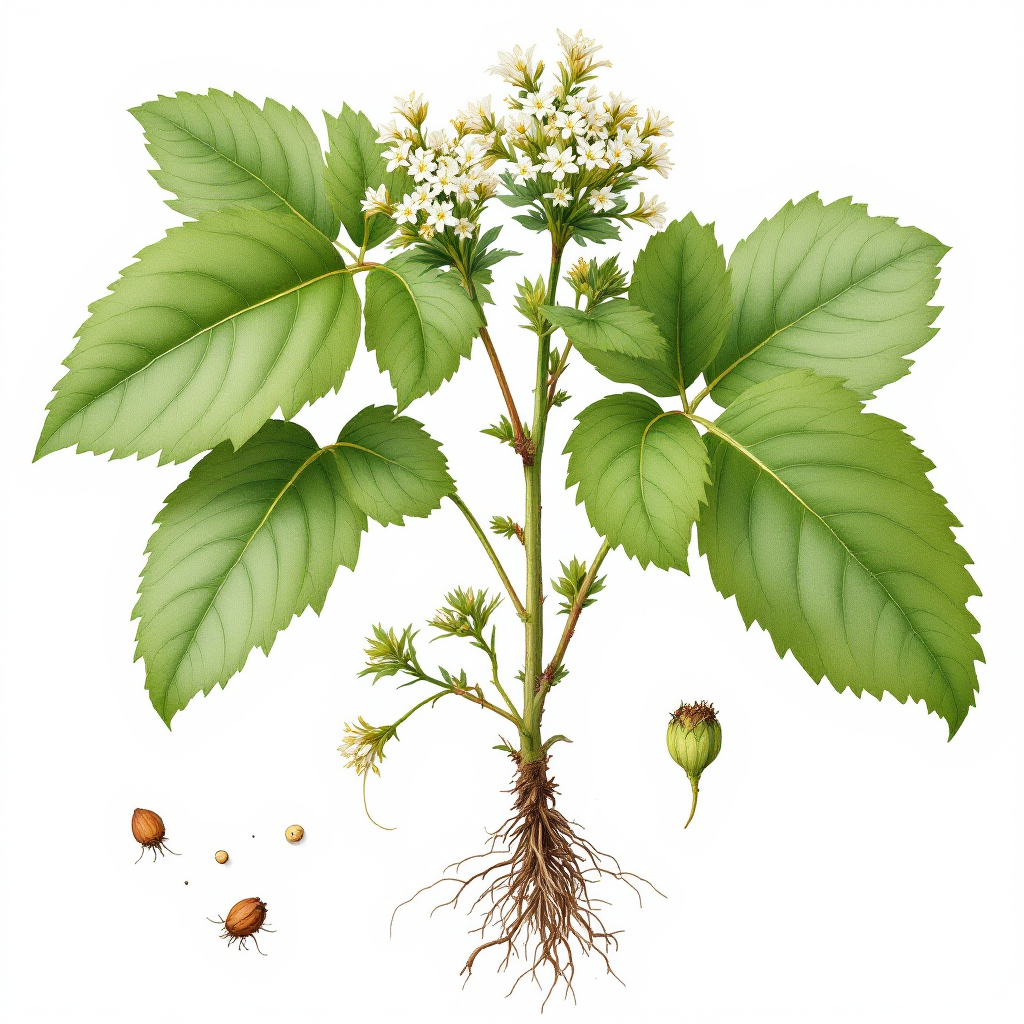
Bugleweed (Lycopus virginicus) is a Lamiaceae nervine and antithyroid herb used primarily for mild hyperthyroidism, Graves' disease, and associated tachycardia, palpitations, and anxiety. Its rosmarinic acid and related phenolic acids inhibit TSH receptor binding, block Graves' immunoglobulins, and reduce peripheral T4-to-T3 deiodination. It is contraindicated in hypothyroidism, pregnancy, lactation, and patients taking thyroid hormone replacement.
Primary Actions
Indications
CAUTION: Pregnancy, Lactation, Active severe liver disease, Yin deficiency or rising Liver Yang (TCM), Interferon therapy (especially in chronic hepatitis C), Autoimmune disease (SLE, RA, MS)
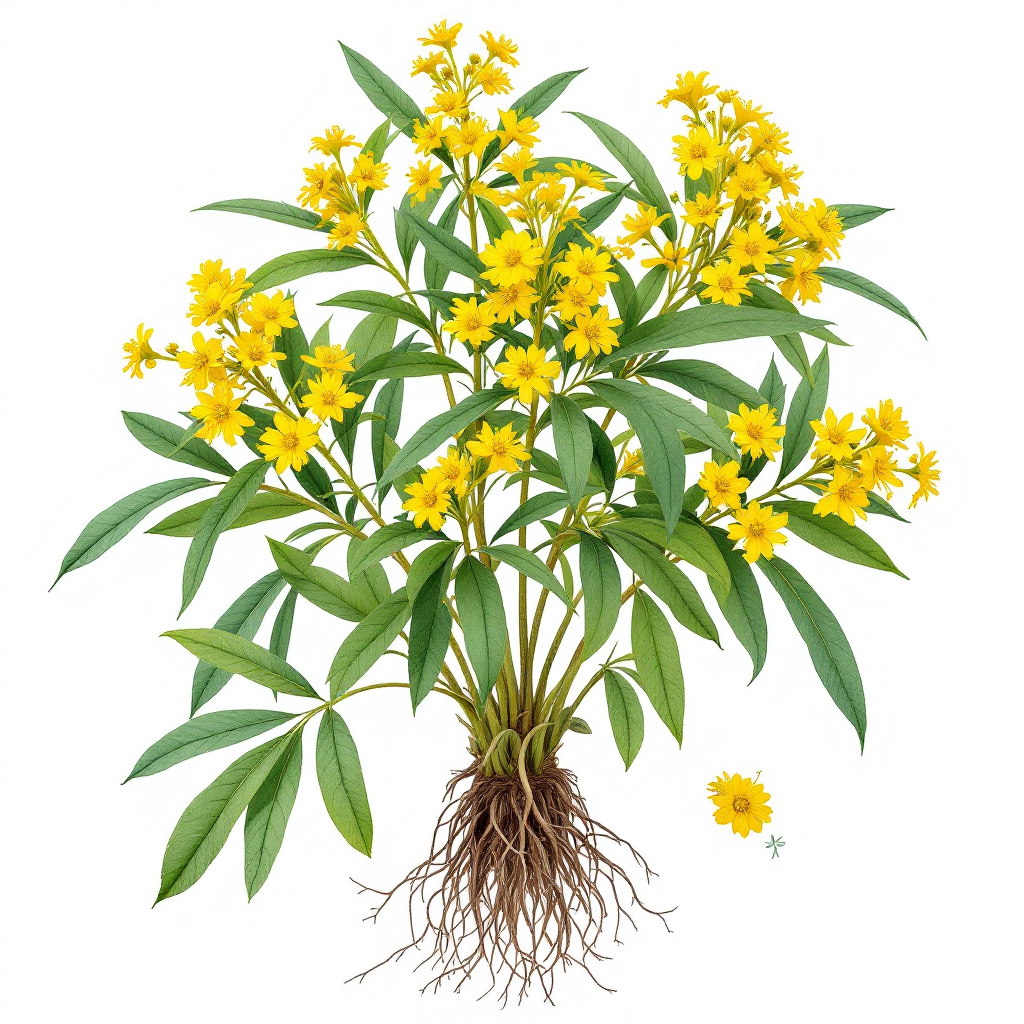
Bupleurum (Bupleurum chinense, Chai Hu) is one of the most clinically important herbs in Chinese medicine, the sovereign herb of Xiao Chai Hu Tang, used to harmonize Shaoyang, soothe Liver Qi stagnation, and raise sinking Qi. Its triterpenoid saikosaponins are well studied for hepatoprotective, anti-inflammatory, antiviral, and antidepressant activity. It requires respectful prescribing: high doses or long-term unsupervised use, especially in combination with interferon or in severe liver disease, carries documented hepatotoxicity risk.
Primary Actions
Indications
CAUTION: Known allergy to Asteraceae (daisy) family plants, Pregnancy, Antiplatelet or anticoagulant medications, Diabetes medications (insulin, metformin, sulfonylureas), Diarrhoea or significant Qi deficiency (debility/weakness)
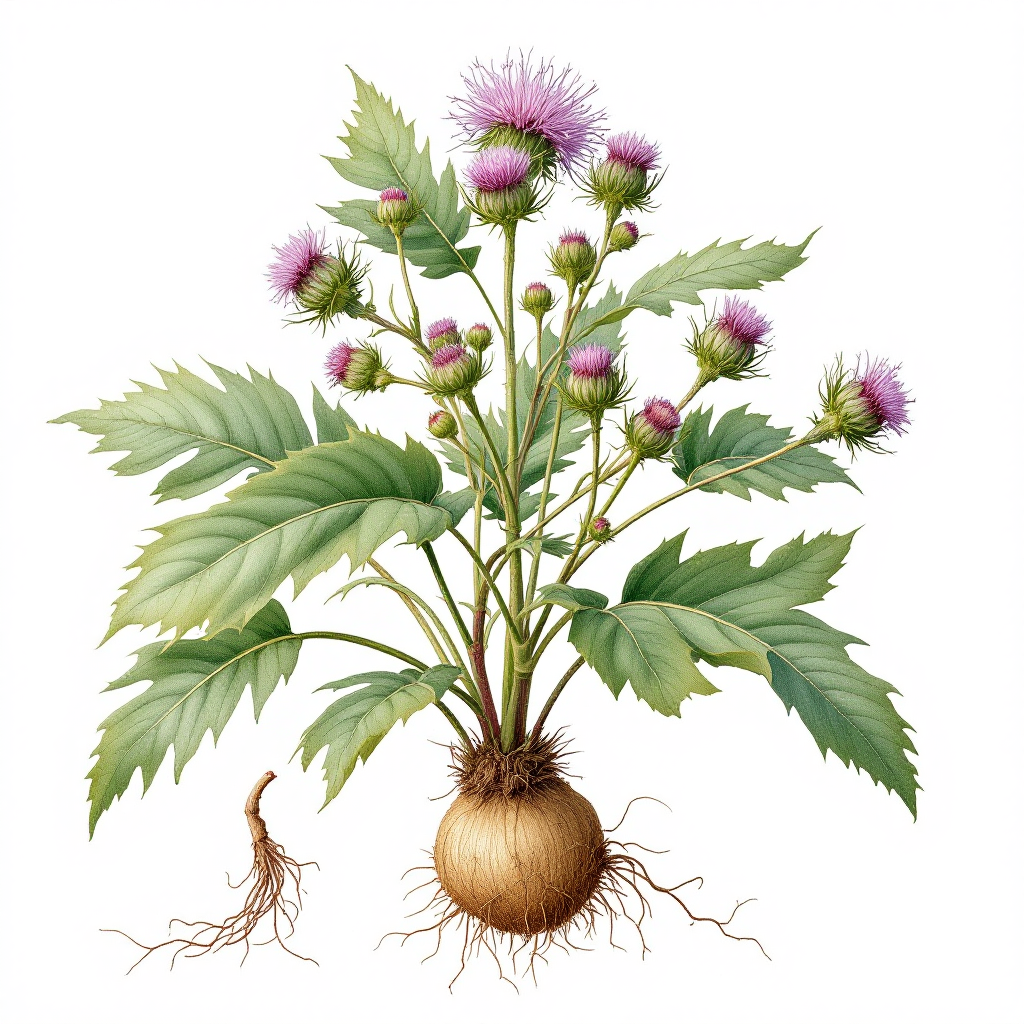
Burdock (Arctium lappa) is a foundational alterative herb in Western clinical herbalism and a respected seed medicine (Niu Bang Zi) in Traditional Chinese Medicine. The root is rich in inulin (up to 45%), arctigenin, and polyphenolic antioxidants, making it particularly valuable for chronic skin conditions (eczema, acne, psoriasis), liver support, lymphatic congestion, and metabolic disorders. The EMA supports its use as adjunct therapy for seborrheic skin conditions and urinary tract infections. Clinical evidence is emerging for PCOS and metabolic syndrome, but dose should be titrated incrementally as its strong alterative action can transiently exacerbate symptoms in debilitated patients.
Primary Actions
Indications
CAUTION: Pregnancy and lactation, Concurrent alpha-adrenergic antagonist therapy (e.g. prazosin, doxazosin, terazosin, tamsulosin), Uncontrolled hypertension, Poorly controlled diabetes mellitus
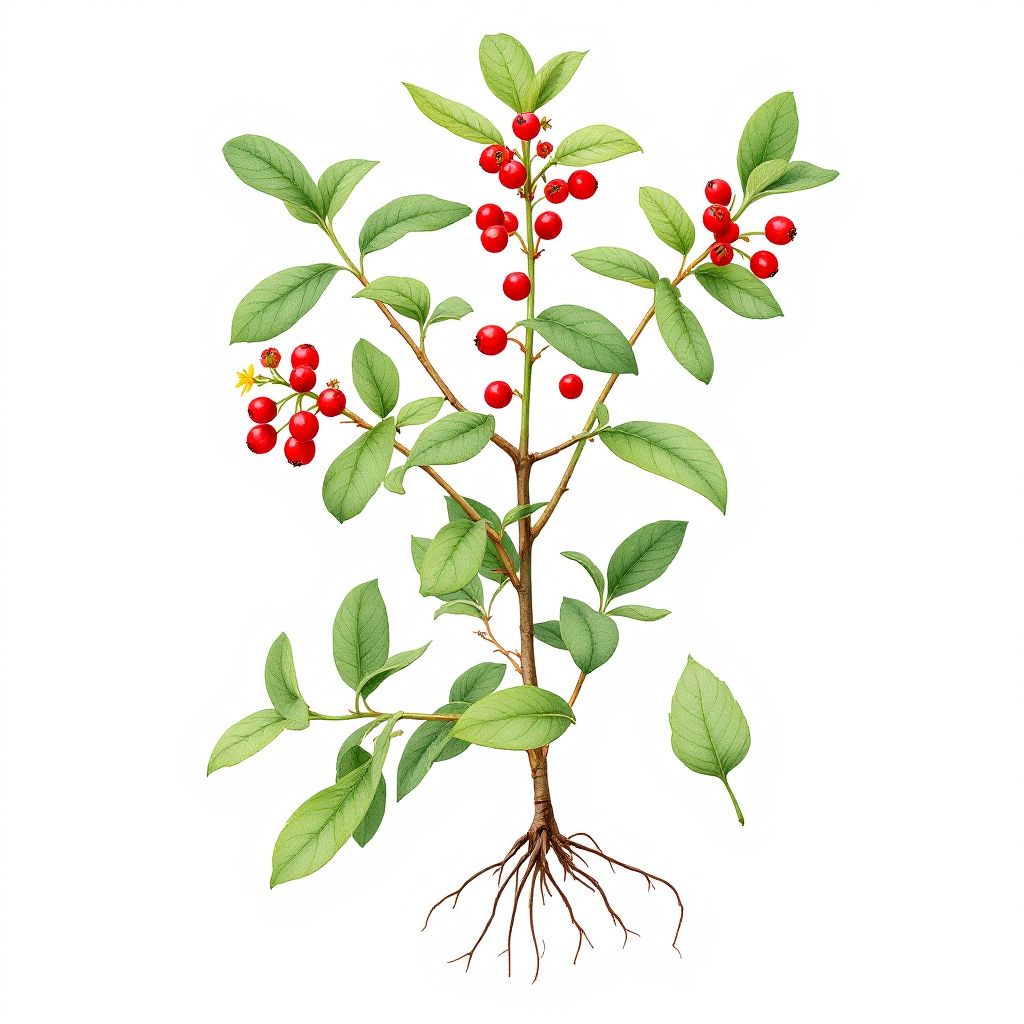
Butcher's Broom (Ruscus aculeatus) is a Mediterranean evergreen shrub whose rhizome yields the steroidal saponins ruscogenin and neoruscogenin, which exert alpha-adrenergic-mediated venous vasoconstriction, reduce capillary permeability and inhibit elastase. Clinically it is a first-line phytotherapeutic for chronic venous insufficiency, varicose veins, hemorrhoids and orthostatic hypotension — often combined with hesperidin methyl chalcone and vitamin C (Cyclo 3 Fort). Generally well tolerated short-term; avoid in pregnancy and with alpha-blocker therapy.
Primary Actions
Indications
CAUTION: Products NOT certified PA-free (containing pyrrolizidine alkaloids), Asteraceae / ragweed allergy, Pregnancy and lactation
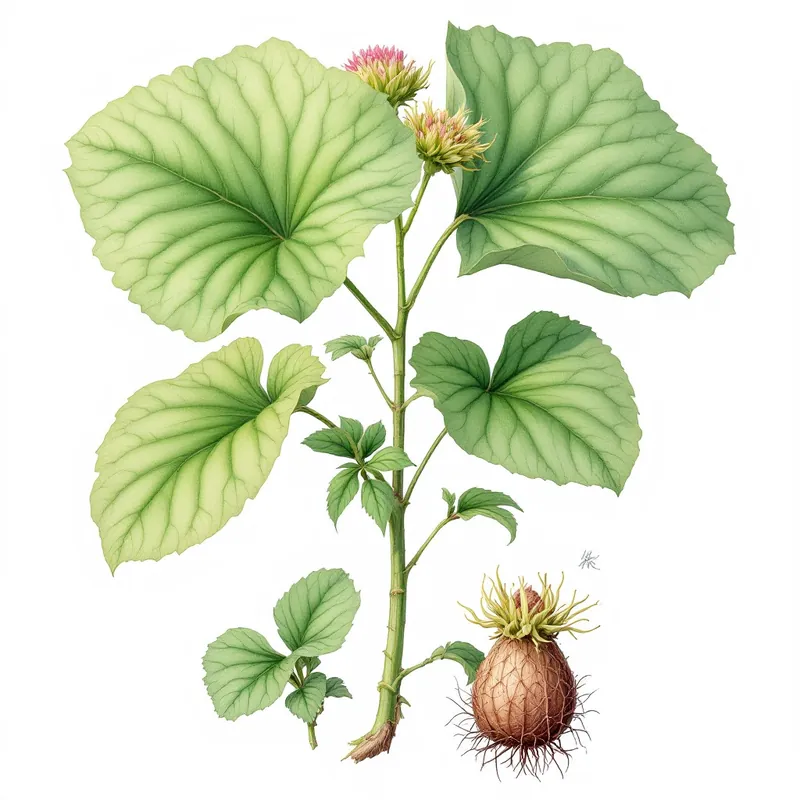
Butterbur (Petasites hybridus) is a large European wetland perennial whose PA-free root extract (notably Petadolex) received a Level A recommendation from the American Headache Society as effective migraine prophylaxis, supported by multiple placebo-controlled RCTs showing a ~50% reduction in migraine frequency at 150 mg/day. The herb also demonstrates clinical efficacy comparable to cetirizine for seasonal allergic rhinitis via leukotriene and COX-2 inhibition. However, the critical safety concern is pyrrolizidine alkaloid (PA) contamination in many commercial products — only PA-free certified preparations should ever be used, as PAs cause serious hepatotoxicity, and baseline liver enzyme monitoring is advised.
Primary Actions
Indications
CAUTION: Pregnancy, Anticoagulant or antiplatelet therapy, Concurrent sedative medication
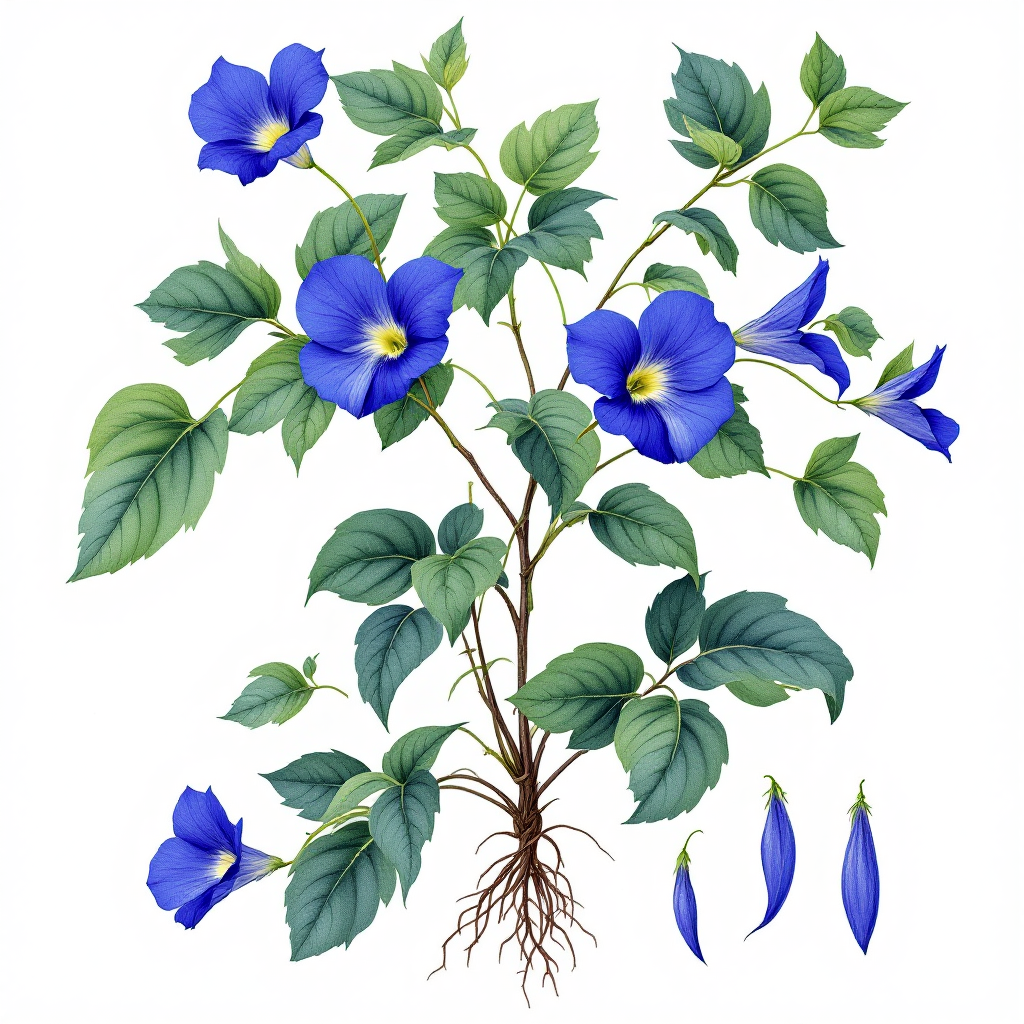
Butterfly Pea (Clitoria ternatea), known as Aparajita in Ayurveda, is a traditional Southeast Asian/Indian medhya (brain-tonic) herb whose striking blue flowers are rich in anthocyanins (ternatins), flavonoids, and cyclotides. Preclinical evidence supports memory-enhancing, anxiolytic, anticonvulsant, antioxidant, and anticholinesterase activities — mechanisms include AChE inhibition and neuroprotection in chronic cerebral hypoperfusion models. Large-scale human RCTs are lacking but traditional use is extensive and flowers are widely consumed as food coloring.
Primary Actions
Indications
CAUTION: Asteraceae/Compositae family allergy (ragweed, chrysanthemum, daisy allergy), Pregnancy (oral use), Sedative medication use (benzodiazepines, barbiturates)
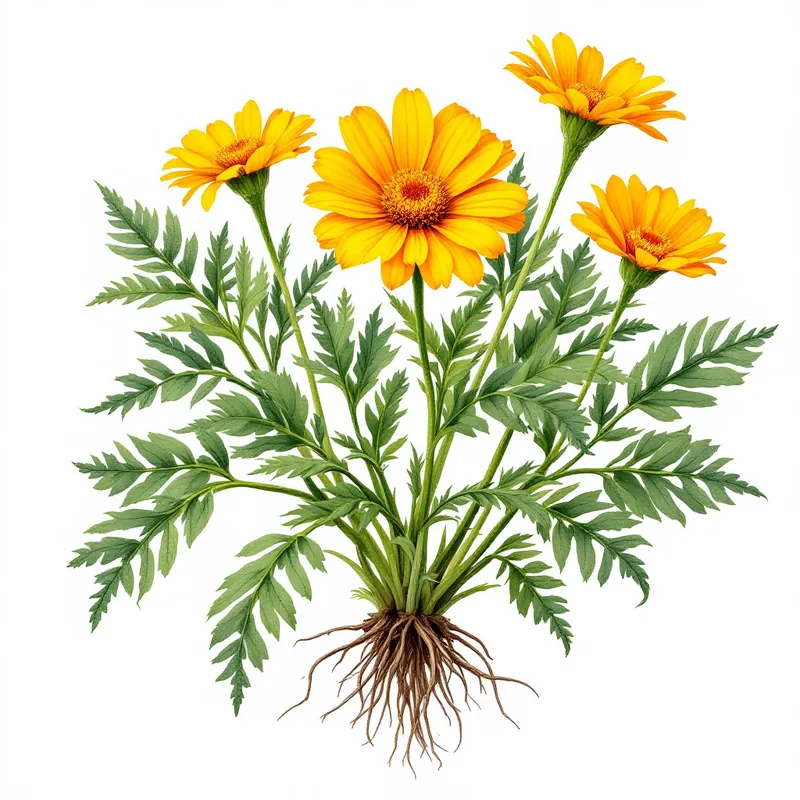
Calendula (Calendula officinalis), commonly known as pot marigold, is one of the most versatile topical medicinal plants in Western herbal medicine, with an extensive history of use for wound healing, skin inflammation, and oral mucosal conditions across multiple healing traditions including Ayurveda, Unani, and European herbalism. Its primary anti-inflammatory and wound-healing activity is attributed to faradiol triterpenoid esters, saponins, and flavonoids (particularly quercetin and rutin), which demonstrate dose-dependent anti-inflammatory effects comparable to indomethacin in animal models. It is endorsed by the EMA Committee on Herbal Medicinal Products for skin inflammations, minor wounds, and oral/throat inflammation based on traditional use and available clinical evidence.
Primary Actions
Indications
CAUTION: Concurrent use with CNS depressants, sedatives, opioids, benzodiazepines, Pregnancy, MAO inhibitors (MAOIs)
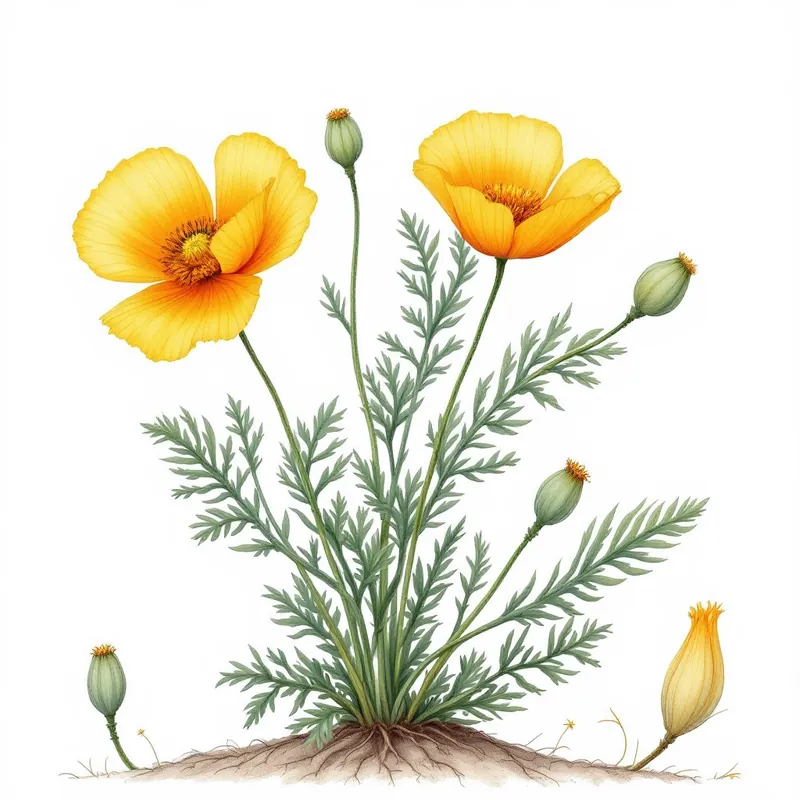
California Poppy (Eschscholzia californica) is a Western North American herb from the Papaveraceae family containing unique isoquinoline alkaloids (californidine, escholtzine, protopine) that modulate GABA-A receptors and possibly opioid receptors, producing gentle sedative, anxiolytic, and analgesic effects. Unlike its distant relative the opium poppy, it contains no morphine or codeine and is non-addictive. Clinical evidence from one double-blind RCT (264 patients) supports use for mild-to-moderate anxiety. Traditional and observational data support insomnia, nervous agitation, and pain applications. Dose-dependent effects range from anxiolytic (lower doses) to sedative/analgesic (higher doses).